
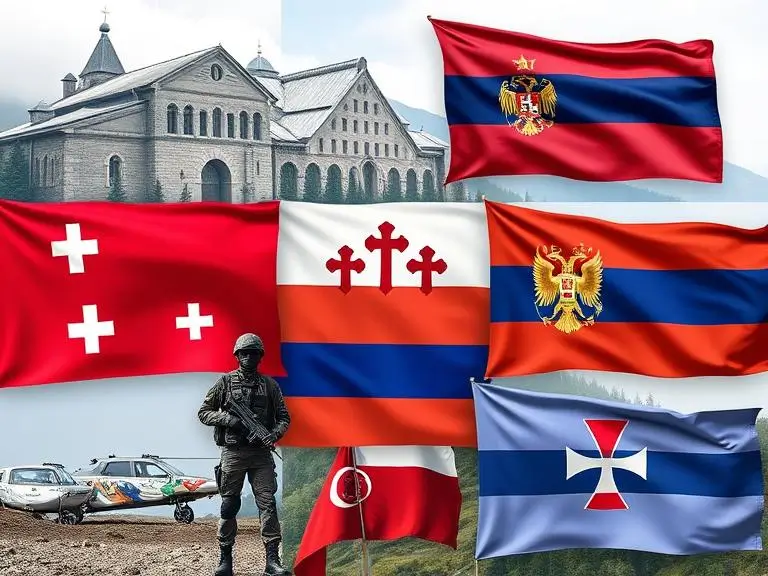
The Georgia Armenia relationship has shaped the South Caucasus for centuries. These neighbors share mountains, rivers, and trade routes. Their ties go back to the First Republic of Armenia (1918–1920) and the Mensheviks in Georgia. Over time they faced wars, shifting borders, and rival powers. The Armenian genocide 1915, Bolshevik–Kemalist relations, and the Russian White Army in South Caucasus left deep marks on both nations.
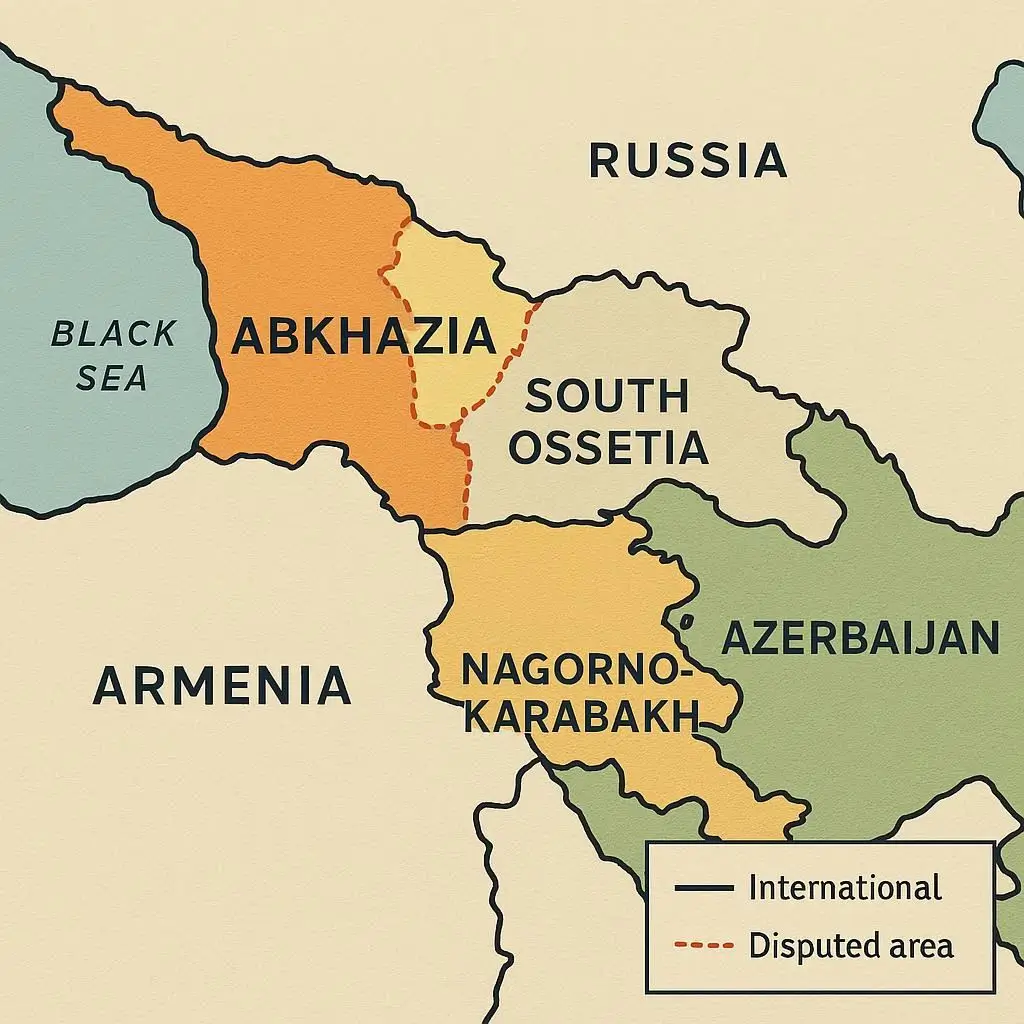
Today new challenges define their path. The Nagorno-Karabakh conflict and the Armenia–Azerbaijan conflict still shake the region. Abkhazia and South Ossetia remain disputed after the Russia–Georgia war 2008. Georgia seeks Euro-Atlantic aspirations while Armenia stays in the Collective Security Treaty Organization (CSTO). Russian peacekeepers in Karabakh and the Russian military base in Gyumri show Moscow’s role. The Armenian Velvet Revolution 2018 proved change is possible even in this complex and multipolar world order.
A Shared Past That Shaped the Region
The Georgia Armenia relationship grew in the South Caucasus over thousands of years. People used ancient trade routes to move salt, silk, and wine. Merchants crossed mountains and rivers to reach markets in Baku oil region and Trabzon. These ties built trust and must be remembered when we look at their story.
Kings and nobles from both lands formed alliances and sometimes fought. The First Republic of Armenia (1918–1920) and the Mensheviks in Georgia tried to protect their nations. Dashnaks and Musavat party Azerbaijan shaped early politics. The memory of the Armenian genocide 1915 still weighs on society and must guide future talks. Their shared past must remain a lesson for peace.
Ancient Ties and Early Trade Routes
Caravans moved along the Silk Road through Armenia and Georgia. Traders carried spices, gold, and ideas that must have changed local culture. Villages near the Caucasus mountains welcomed travelers and grew richer. These routes must show how geography linked their economies.
Farmers and craftsmen joined this network. Bazaars in Tbilisi and Yerevan became famous meeting points. The Varandian 1919 publication even described this flow of goods. These old paths must remind us how trade builds understanding. They must prove that commerce can bridge politics.
Influence of Empires (Ottoman, Persian, Russian)
The Ottoman, Persian, and Russian empires fought over the South Caucasus for centuries. Each empire brought new rulers and must have left deep marks on both countries. Borders shifted after every war and families had to adapt. Their culture and faith must reflect these layers of history.
Under the Russian Empire, leaders like Joseph Stalin rose from the region. Bolshevik–Kemalist relations shaped early Soviet policy. The Russian White Army in South Caucasus fought the Bolsheviks. These events must explain why modern politics is complex. Their legacy must still guide current decisions.
Key Historical Moments That Still Impact Their Politics and Society
The Russia–Georgia war 2008 changed security thinking. Abkhazia and South Ossetia became frozen conflicts that must influence Georgia’s choices. For Armenia, the Nagorno-Karabakh conflict and Russian peacekeepers in Karabakh remain key issues. These flashpoints must keep shaping regional diplomacy.
Georgia follows Euro-Atlantic aspirations and works with NATO and the EU. Armenia stays in the Collective Security Treaty Organization (CSTO) and hosts the Russian military base in Gyumri. The Armenian Velvet Revolution 2018 showed that people can demand reform. These turning points must remind leaders that history still drives today’s politics. Their impact must be part of every future plan.
From Soviet Union to Independent States
The Soviet Union broke apart in 1991 and the South Caucasus changed forever. Armenia and Georgia became two independent republics and must build their own governments. The fall of Moscow’s control opened space for new alliances. Each country must find its own voice in a multipolar world order.
Freedom brought both hope and fear. The Russian White Army in South Caucasus was history now, but Russian influence remained. Leaders in Tbilisi and Yerevan must guide their people through the sudden change. They must write new laws and protect their borders. This must be a time of risk and opportunity.
The 1991 Collapse of the USSR and the Birth of Two Independent Republics
When the USSR fell, Armenia and Georgia declared independence. The First Republic of Armenia (1918–1920) became a symbol that must inspire the new era. The Mensheviks in Georgia were remembered as early fighters for freedom. Old dreams of self-rule must now become real governments.
People faced economic hardship as state industries failed. Borders opened to trade and ideas that must reshape society. Leaders must deal with Russia while building their own identity. Their success must depend on strong unity and careful diplomacy.
Early Diplomatic Relations and Initial Cooperation
Right after independence, the two nations set up embassies and must agree on basic ties. Trade transit between Armenia and Georgia must keep goods moving. Armenian electricity exports to Georgia must show how energy cooperation works. These first steps must prove trust is possible.
Cultural visits and shared projects built friendship. Leaders must work together even when their foreign policies differ. They must balance ties with Russia, the EU, and the US–Russia rivalry in South Caucasus. Early cooperation must lay a base for future peace.
First Major Challenges: Borders, Minority Populations, and Regional Conflicts
New borders brought disputes that must test the young states. Minority groups in both countries must seek rights and representation. The Nagorno-Karabakh conflict and the Armenia–Azerbaijan conflict must shake regional stability. Abkhazia and South Ossetia must cause tension after the Russia–Georgia war 2008.
Georgia followed Euro-Atlantic aspirations while Armenia stayed with the Collective Security Treaty Organization (CSTO). The Russian military base in Gyumri must remind everyone of Moscow’s role. Russian peacekeepers in Karabakh must guard fragile ceasefires. These challenges must define the next decades of their relations.
Current Dynamics of the Georgia Armenia Relationship
Today the Georgia Armenia relationship must balance history and modern goals. Leaders in Tbilisi and Yerevan must work together while facing big powers. The South Caucasus must stay stable despite the US–Russia rivalry. Both nations must protect their interests in a multipolar world order.
Old disputes still shape new talks. The Nagorno-Karabakh conflict must create pressure on Armenia. Abkhazia and South Ossetia must remain key issues for Georgia after the Russia–Georgia war 2008. Both sides must find common ground while keeping their own security plans.
Political Connections: Government-to-Government Ties and Regional Alliances
Government leaders meet often and must plan for cooperation. Georgia follows Euro-Atlantic aspirations and must strengthen links with NATO and the EU. Armenia stays in the Collective Security Treaty Organization (CSTO) and must keep ties with Russia. Both sides must manage these different paths with care.
Russian peacekeepers in Karabakh and the Russian military base in Gyumri must affect decisions. The 3+3 regional format must give both countries a place to talk with Turkey, Iran, and Russia. Their political connections must depend on trust and steady dialogue. They must show that old rivals can work together.
Economic Cooperation: Trade Volumes, Energy Partnerships, Transport Corridors
Trade between Armenia and Georgia must grow each year. Armenia–Georgia trade transit must move goods across borders. Armenian electricity exports to Georgia must help balance energy needs. These links must keep the South Caucasus connected.
New roads and railways must support this trade. Projects like the Trabzon declaration and Georgia–Azerbaijan–Turkey cooperation must create bigger markets. Both nations must rely on each other for safe transport corridors. Their economic cooperation must show how neighbors can share benefits.
Cultural Exchange: Tourism, Education, Shared Festivals
Tourists travel between the two countries and must enjoy ancient sites and food. Students must join exchange programs in Tbilisi and Yerevan. Shared festivals must bring music, art, and dance to the South Caucasus. These events must strengthen friendship.
Families visit each other and must keep traditions alive. Churches and monasteries must welcome pilgrims from both sides. These cultural ties must help heal political rifts. They must remind people that culture lasts longer than conflict.
Challenges and Points of Tension
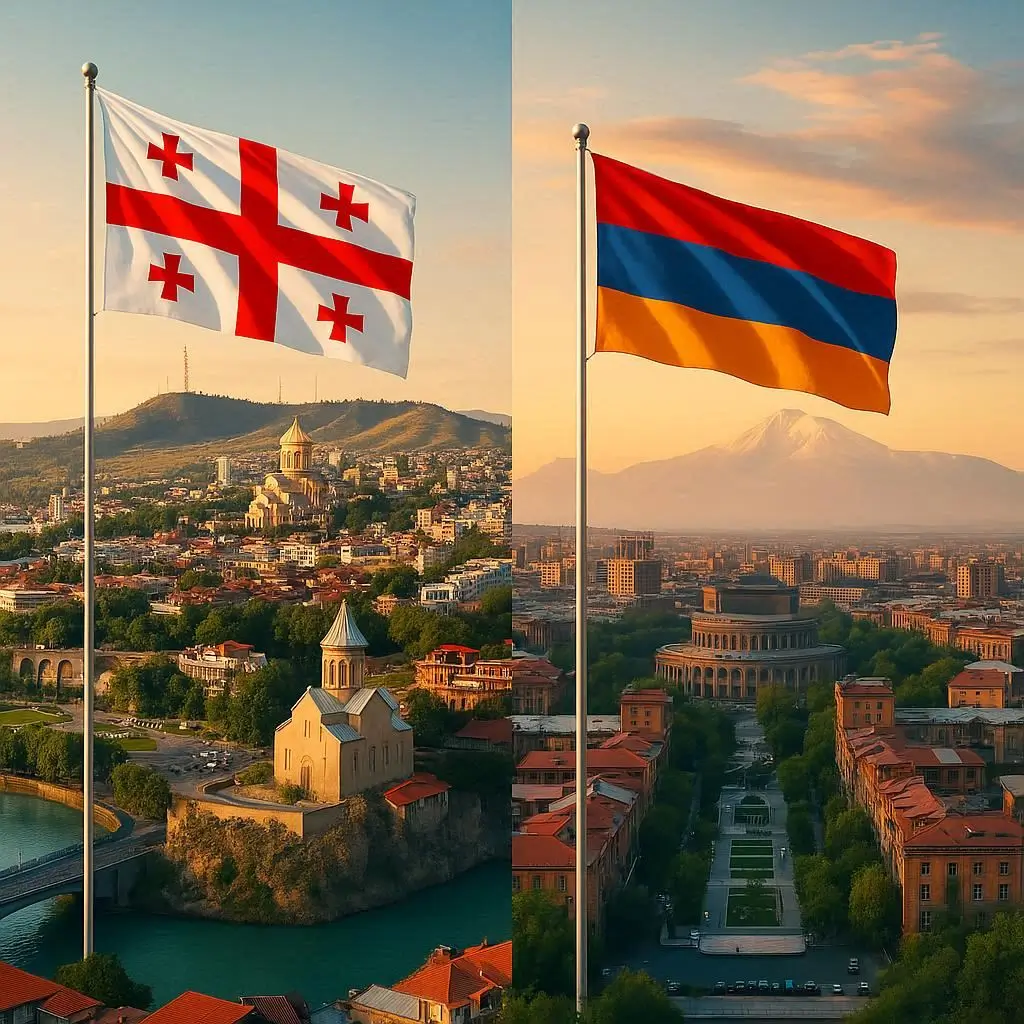
The Georgia Armenia relationship must face many tests today. Both nations must keep friendly ties but also protect their own plans. They must work on peace while bigger powers must compete in the region. These challenges must shape their talks and daily policies.
Old history must still influence the present. Each side must remember past wars and broken borders. Leaders must stay careful while planning new steps. They must avoid moves that can break trust.
Different Approaches to Russia, the EU, and NATO
Georgia must look to join the EU and NATO. Its leaders must aim for closer links with Europe. Armenia must stay tied to Russia through the CSTO. It must also keep a balanced line with Europe and the US.
This difference must create pressure in talks. Georgia must guard its western path. Armenia must depend on Russian security but also must seek new partners. Both sides must manage these gaps to keep peace.
Border and Infrastructure Disputes
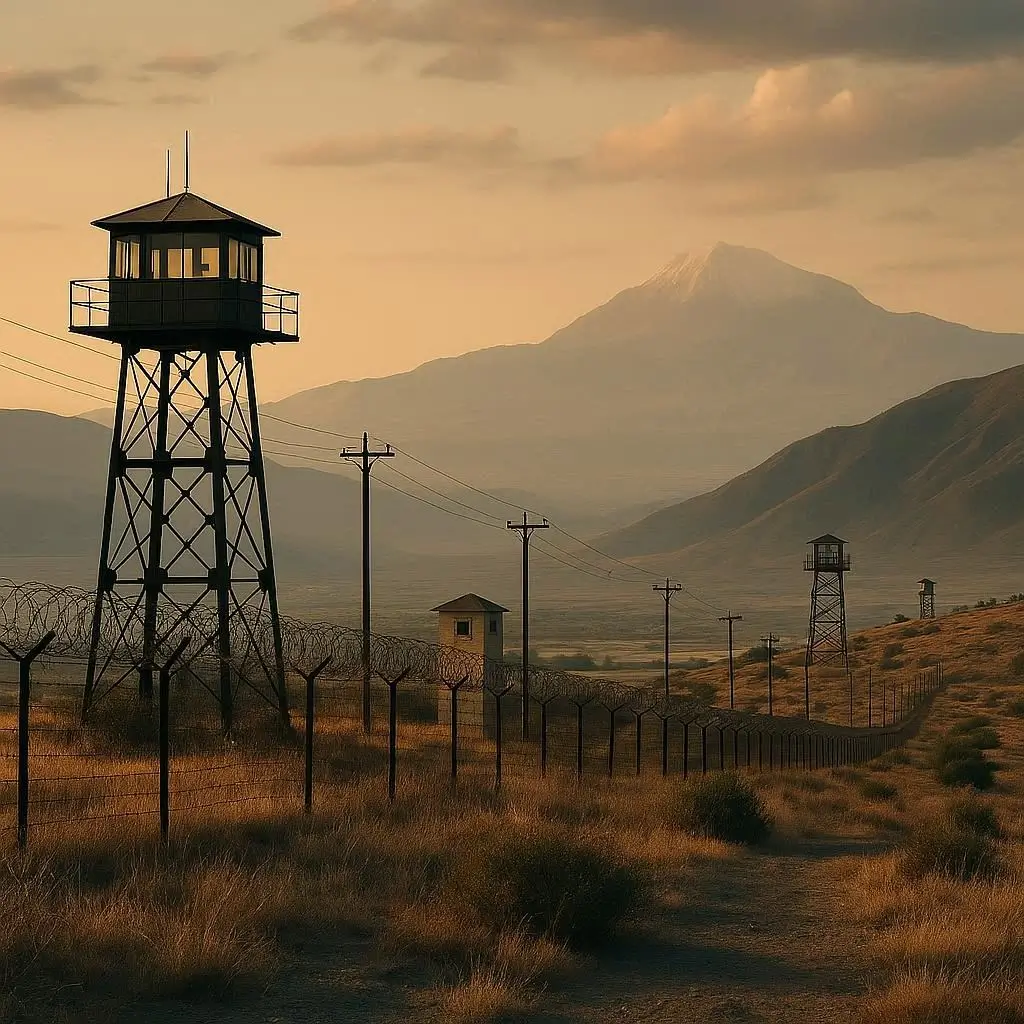
Some borders must remain unclear even today. Georgia and Armenia must still settle small sections. These areas must create arguments during talks. Both sides must show patience to reach a fair deal.
Roads and rail lines must also need upgrades. Disputes about routes must delay key projects. Leaders must invest and plan carefully. They must prove that trade must continue without fights.
Regional Security Concerns, Including the Impact of Conflicts in Nagorno-Karabakh and Abkhazia
Nagorno-Karabakh must remain a flashpoint. Armenia must worry about its people there. Georgia must watch the Abkhazia conflict after the 2008 war. Both countries must stay alert to new tensions.
Russia’s role must shape the security map. Peacekeepers must stay in Karabakh. Military moves in Abkhazia must raise fears in Georgia. Leaders must work together and must keep dialogue open for regional safety.
Collaboration Opportunities and Future Scenarios
Georgia and Armenia must find new ways to work together. Energy pipelines must bring gas and power across the South Caucasus. Transport links must open faster trade routes. Tourism must also grow when borders stay calm.
Both sides must invest in safe roads and rails. They must share plans for better airports and tourism sites. Energy deals must create steady income. Leaders must agree that peace must come before big projects.
Role of International Organizations in Shaping Cooperation
Groups like the EU and OSCE Minsk Group must guide talks. NATO must also shape the security scene. The UN and other agencies must support joint projects. Their advice must help both nations build trust.
These organizations must give funds and training. Their help must reduce risk of conflict. Georgia and Armenia must welcome such support. They must use it to grow trade and education.
Scenarios for the Next Decade: Closer Ties vs. Political Drift
In the next ten years, both countries must decide their path. They must choose closer ties or risk a slow drift. Shared history must push them toward unity. Economic needs must also drive partnership.
But politics must sometimes block progress. Regional powers must compete for influence. Leaders must show courage to keep dialogue open. They must act early to stop tension before it grows.
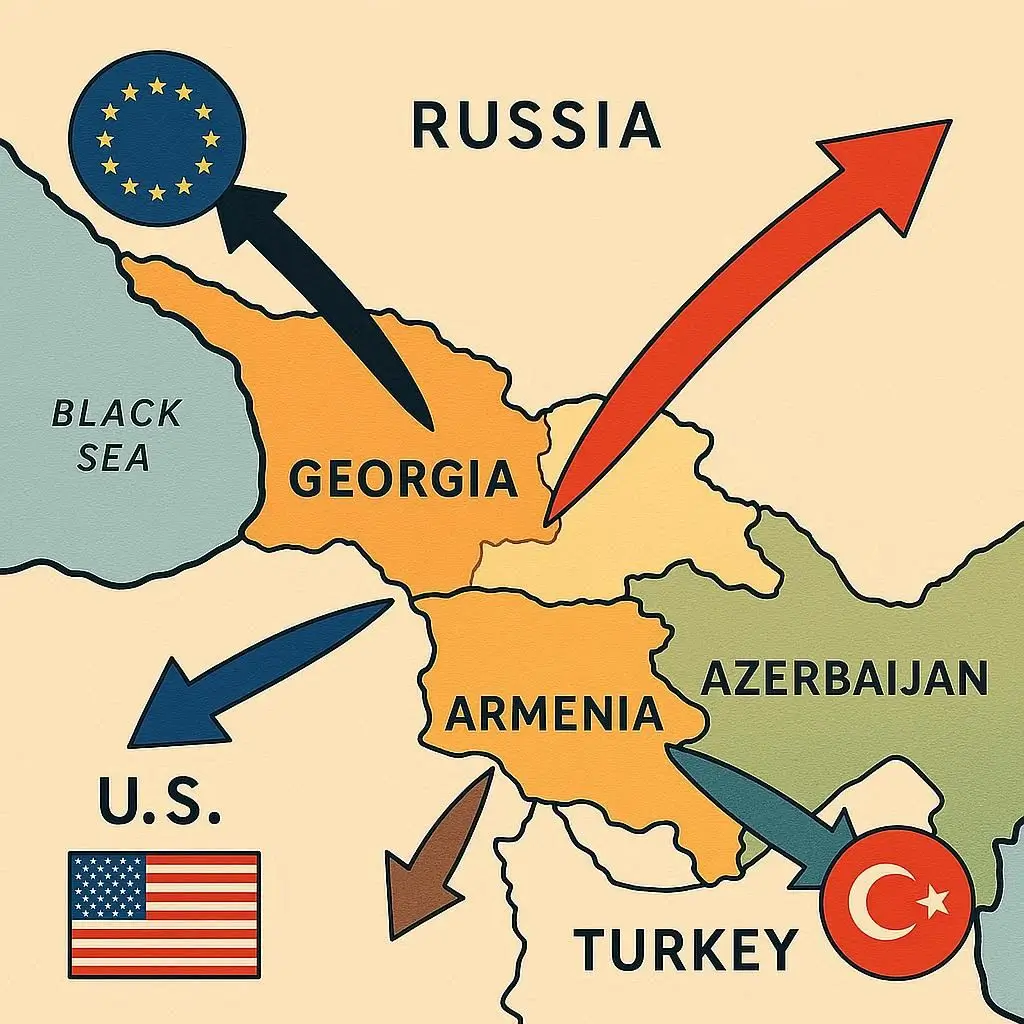
How Global Players Influence the Georgia Armenia Relationship
Russia must keep a strong presence in the South Caucasus. Its troops in the Russian military base in Gyumri must show this influence. Russian peacekeepers in Karabakh must control the fragile ceasefire. Trade with Moscow must stay key for both countries.
Georgia must balance its Euro-Atlantic aspirations while Armenia must stay in the Collective Security Treaty Organization (CSTO). The Russia–Georgia war 2008 must still affect trust. Moscow must use energy and trade as tools. Armenia and Georgia must plan carefully to stay independent.
The EU and the US as Partners or Mediators
The EU and the US must act as mediators. They must offer aid and advice for peace. NATO and the OSCE Minsk Group must help reduce tension. US–Russia rivalry in South Caucasus must shape policy choices.
Georgia must push for closer EU links. Armenia must weigh its ties to both Russia and the West. International talks must focus on fair trade and human rights. Both nations must use these partnerships to stay secure and grow.
Neighboring States Like Turkey and Azerbaijan
Turkey–Azerbaijan partnership must remain strong. Georgia–Azerbaijan–Turkey cooperation must influence pipelines and transport. Armenia–Azerbaijan conflict must still create risk. These neighbors must affect every move in the region.
Armenia must watch the Trabzon declaration and Turkey’s role. Georgia must keep open dialogue with Baku. Regional balance must depend on how these ties shift. Leaders must plan for a multipolar world order with care.
Takeaways for the Region and the World
The Georgia Armenia relationship must guide peace in the South Caucasus. Strong ties must support trade and energy flows. Stability must attract investors and tourists. Regional growth must depend on how both countries work together.
World powers must watch these steps closely. A stable South Caucasus must help Europe and Asia connect. New roads and pipelines must serve many nations. Lasting peace must give every neighbor room to grow.
The economy must gain when borders stay open. Trade transit must link Armenia–Georgia routes to bigger markets. Energy projects must bring steady income. A safe region must also protect cultural exchange.
Global players must back dialogue to keep this balance. The EU and US must act as partners. Russia and Turkey must avoid raising tension. A multipolar world order must rely on such cooperation.
FAQs
Is Georgia friendly with Armenia?
Yes, the Georgia Armenia relationship is friendly and stable. Both countries share trade, culture, and regional projects that strengthen peace and cooperation in the South Caucasus.
Are Georgians and Armenians related?
The Georgia Armenia relationship shows deep historic ties. While they are different ethnic groups, their shared past and traditions keep their cultures closely connected across the region.
Who is the best friend of Armenia?
Russia remains Armenia’s closest ally, but the Georgia Armenia relationship is also important. It supports trade routes, energy links, and cooperation in the South Caucasus.
Who is richer, Armenia or Georgia?
Georgia’s economy is slightly larger, yet the Georgia Armenia relationship helps both nations grow. Shared transport and trade projects bring benefits to both economies in the region.
Which is safe, Armenia or Georgia?
Both countries are considered safe. The Georgia Armenia relationship encourages regional stability, making travel and trade routes secure for visitors and investors across the South Caucasus.
Is Armenia friends with America?
Yes, Armenia has friendly ties with the United States. Still, the Georgia Armenia relationship remains vital for regional balance and cooperation with global partners.
Conclusion
The Georgia Armenia relationship plays a big role in South Caucasus peace. Both nations must keep talking and must build strong trade links. Their leaders must focus on energy, tourism, and safe transport. Regional stability must help every neighbor grow.
World powers must support open dialogue. The EU and US must back peaceful projects. Russia and Turkey must avoid tension. Economic plans must stay fair and secure. Lasting cooperation must guide a better future for both countries and their people.