

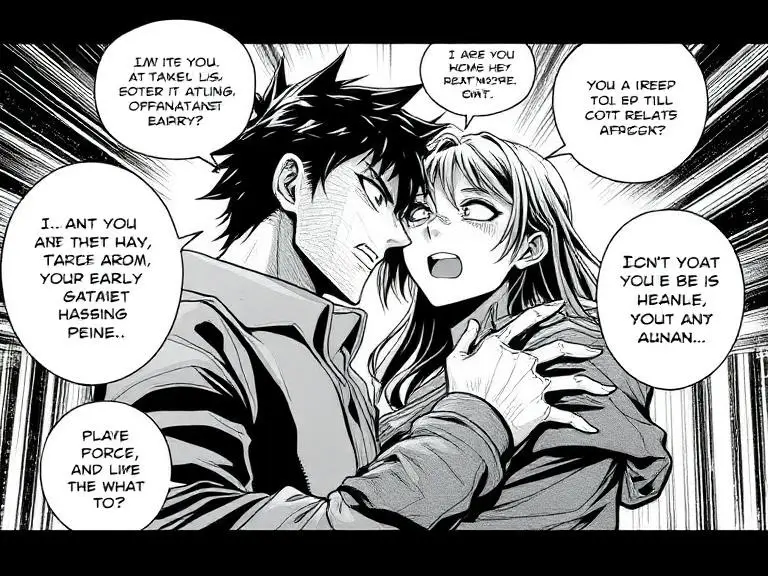
Relationship reversal raws show a shift in how two people act in a tale. You see a role swap that feels real and bold. Many readers want this view since it shows raw scenes before edits. The early raw chapters let you spot each small move. You get a clear look at the reversal dynamic.
People search for relationship reversal raws since they want fast hints. They hope to see the plot change preview in plain form. You might notice a strong pull when the emotional power balance starts to shift. This slow push adds story tension that feels fresh and strong. It also helps you see the raw panel meaning.
These raws set the tone for growth in each lead. You see a clear role flip that sparks new paths. The behavior swap arc shapes the way the tale moves. Each shift helps show how a soft mind can change. This gives a solid start for later turns in the story and helps guide the full arc.
What Relationship Reversal Raws Actually Mean
Relationship reversal raws show a shift in power in early raw scenes. You see a role flip that feels bold and real. These raws show a clear view of the plot before edits. This helps you track each move in the emotional stakes of the tale. The raw view also lets you note each change in the role reversal arc.
How Reversal Roles Shape Power Balance?
Reversal roles show a shift in who leads and who yields. You might notice a slow turn in the power hold as the story grows. This turn builds strong plot tension that shapes the core arc. Each shift hits the mind of both leads in simple yet deep ways. This makes the tale feel true and sharp since the change is clear in each step.
Why Raw Help Readers Spot Early Plot Turns?
Readers turn to relationship reversal rows to see fast hints of change. The raw view shows early clues in the character arcs that guide the path. You get a close look at each move in the emotional level of both leads. This helps you grasp the aim of the scene with ease. Raws also help show how the story will push new paths long before full edits.
Common Tropes in Relationship Reversal Stories
Many tales use simple tropes that guide a clear turn in mood. These tropes shape each step in the arc. You see slow waves that build heat in raw scenes. Each move helps you read the path with ease. This turn feels true since you see the shift with no filter.
Dominant to Vulnerable Shift
A strong lead may drop the guard and show a soft heart. You see pride turn into deep fear. This dominant-to-vulnerable shift brings a new tone to the scene. It sparks firm change in mood and sets a sharp beat in the tale. You might notice how this turn pulls you close to the mind of the lead.
Enemy to Lover Flips
Two sides that clash may find new peace. You see hate fade as trust grows. This flip builds slow fire in the arc since both minds start to link. The push draws both leads into new aims. This trope keeps the pace smooth and full of life.
Status or Power Swaps
A clear swap in status can shape a bold turn. A high rank may fall. A low rank may rise. This shift brings new tense moves that feel sharp and real. You see clear steps that guide the arc in new ways.
Emotional Dependence Reversal
One lead may start to need the other in a deep way. This emotional shift adds a soft pull. It builds a strong bond that grows with time. These tropes shape the full pace and keep the tale firm and pure.
Why Readers Look for Relationship Reversal Raws
Readers turn to relationship reversal raws to see the tale in a pure form. They want a clear view of each early move. These raws show the path with no edits, so each shift feels real. You might notice how the tone hits harder when you see each turn fresh.
Early Access to Raw Chapters
Many readers want a fast glimpse of the tale. Raw chapters give that early door. You get clues that guide the mood of the arc. Each move shows the start of a shift in power. This helps you sense the push that shapes the next key turn.
Curiosity About Character Change
Readers love to watch how minds shift in slow steps. A lead may show fear or pride, or hope. These signs point to new paths. You see raw hints of the change long before the clean cut. That makes the view richer and bolder.
Interest in New Plot Turns
Some want to see a plot turn that is not yet out. Raws give a close view of new paths that shape the arc. You see the seeds of strong moves that will guide later parts. This adds deep pull to the read.
The Pull of Power Flip Tales
A power flip hits the mind in a strong way. You see one lead rise as the other bends. This push and pull keeps the heart in the tale. It gives a sharp spark that holds the reader to the end.

Key Themes Found in Relationship Reversal Raws
Relationship reversal raws show deep shifts in mood and mind. Each theme shapes how leads act. You see bold turns in raw scenes since the view is pure. These themes guide the heart of the tale and set new paths.
Control and Surrender
Some arcs show a clear fight for hold. One lead may push hard. The other may yield in slow steps. In raw form this shift feels sharp since each move is clear.
Trust and Betrayal
Raws show small signs of trust or fear. You might note how one lead holds back. You also see hints of a break in faith. This theme hits deep since raw scenes show each soft clue.
Vulnerability and Strength
A strong lead may show weak bits. A soft lead may rise with force. Raw scenes show this flip with no filter. This makes the turn feel true and real.
Emotional Imbalance
Some arcs show one mind runs high while the other sinks low. You see the push build in raw steps. This slow edge shapes the heart of the tale.
Redemption Arcs
A lead may fall, then rise. You see each early hint in raw moves. These steps show the path of change with clear tone.
How These Themes Shift in Raw Form
Raws show early turns with sharp detail. You see pure signs of each theme. This raw view helps you sense the path long before the clean cut.
How Relationship Reversal Raws Impact Character Development
Relationship reversal raws give a pure look at each lead. You see small hints that shape the arc. These hints guide the full tale in clear steps. The raw view shows a strong path for both sides. This helps you track how each mind grows in real time.
Hidden Traits in Early Scenes
Raw scenes reveal traits that may hide in clean cuts. A lead may show fear or pride or hope. You see these bits long before the full form. This helps you grasp how the protagonists and antagonists will turn. Each move sets a new beat in the narrative structure.
True Tone in Dialogue
Raws show speech in a pure voice. Each line hits with real tone. You might notice soft breaks that shape the bond. This helps you feel how the leads think. The raw voice guides the rise and fall in each step. It keeps the flow sharp and real.
Roots of Emotional Shifts
Raw scenes show the start of each soft turn. You see how a small act sparks deep change. These steps reveal the base of fear or trust or pain. Each step builds hints that grow in later scenes. This helps you sense the path with ease.
How Foreshadowing Guides the Arc
Raws carry small signs that point to later moves. You see pure clues with no gloss. These signs guide the minds of each lead. They shape the heart of the tale in clear waves. This raw view builds strong pull and helps form true growth in each lead.
Popular Genres Featuring Relationship Reversal Raws
Relationship reversal raws appear in many genres. They show a clear shift in lead roles and mood. Each genre adds its own flavor to the reversal dynamic. Readers see the raw moves that shape the arc before the clean version. This early view makes the tale feel sharp and real.
Romance
Romance stories often show a clear power flip. A lead who seemed cold may open up. Another lead may gain quiet control. These shifts build tension and spark in each scene. Raw chapters let readers spot each early step of love and trust before translation. You notice slow smiles or small acts that hint at a deeper bond.
Fantasy
Fantasy tales show reversal in epic forms. A hero may lose a strong hold while another rises. Magic or power adds extra weight to the flip. Raws reveal each act with no edits, making the stakes feel real. Early raw chapters highlight how leads adjust to new roles.
Psychological Drama
Psychological dramas focus on the mind. One lead may switch from dominant to unsure. You see subtle fear or hope. Raws show the raw dialogue tone and early clues. The emotional pull is strong since each step is unfiltered.
Action and Revenge
Action arcs show a shift in skill or control. A fighter may drop, another may rise. Raws capture these shifts clearly. You see the push and pull that builds plot tension.
Slice of Life
Even calm tales use reversal. Daily acts reveal hidden sides. Raws show gentle flips in roles and trust. Readers see the start of emotional change. Each small act feels real and clear.
How to Interpret Relationship Reversal Raws Correctly
Reading relationship reversal raws can be tricky but rewarding. Early chapters show shifts in roles and power. You need to pay close attention to catch small hints. Each raw panel can reveal subtle changes in character minds. This helps you see the story before translation.
Tips for Reading Raws Without Losing Context
Start by noting each character’s position and tone. Observe who leads and who yields in scenes. Keep track of small acts that show the reversal dynamic. Focus on behavior swap arcs and emotional power balance. Avoid skipping panels as each move adds to story tension build.
Understanding Cultural Language Cues
Raws often carry words and gestures that hint at soft shifts. You may spot indirect speech or small pauses that mark a role flip. Recognizing these cues helps you sense the narrative arc without knowing every word. Look for repeated actions or expressions that signal a psychological shift in characters.
Spotting Narrative Markers for Future Flips
Authors often leave hints in early raw chapters. Watch for foreshadowing, small emotional triggers, or dialogue tone shifts. These markers predict relationship trope change and role reversal later in the story.
Avoiding Misinterpretation From Missing Translations
Raw chapters may leave some lines unclear. Don’t assume the meaning from one panel alone. Compare actions, facial expressions, and emotional cues across scenes. This helps you interpret the relationship shift moment accurately. Proper reading lets you see the full emotional reversal arc and character growth.
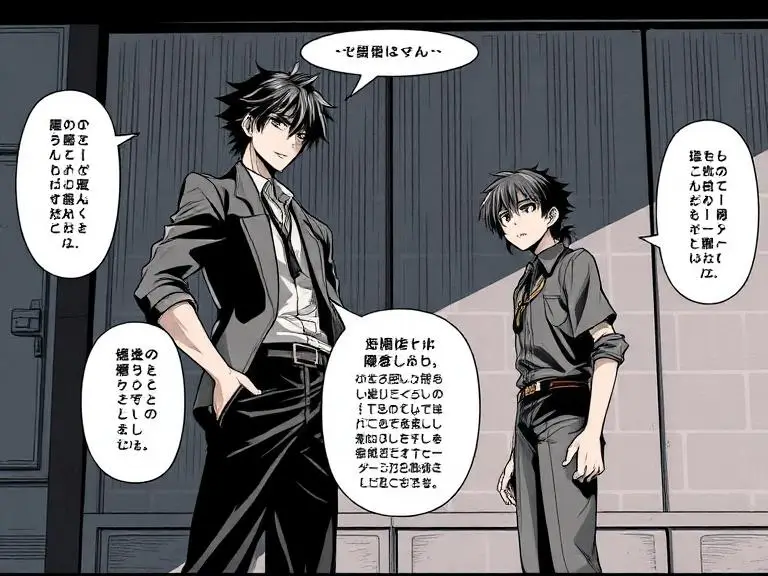
Where Readers Usually Find Relationship Reversal Raws
Readers often seek relationship reversal raws to catch early shifts in story arcs. These raws show role flips, emotional reversal tropes, and character dominance shifts before translation. Fans want to see the raw panel meaning and narrative reversal pattern firsthand. Early access lets readers spot story tension build and emotional power balance changes in real time.
Common Places to Find Raws
Many turn to forums where fans discuss manga and manhwa. These spaces often share early raw chapters and scene interpretation. Manga communities also provide insights on character role flips and reversal dynamics. Some readers use raw scan sites that host untranslated chapters. These sources show raw panel meaning, plot change preview, and unedited manga raws. Each platform allows fans to track narrative arcs and psychological shifts in characters before the official release.
Safety Notes
Readers should stay careful when visiting sites. Some may contain unsafe ads or malware. Always use secure connections and avoid downloading unknown files. Protect your device while exploring raw content.
Legal Considerations
Accessing raw chapters can have legal risks. Many raws are copyrighted material. Sharing or downloading may breach local laws. Readers should consider official early release chapters or licensed translations when possible. Observing legal boundaries ensures enjoyment without harm.
By using trusted forums, fan communities, and licensed sources, readers can enjoy relationship reversal raws safely. This helps track early role swaps, emotional imbalance, and narrative reversal patterns while respecting creators and laws.
Storytelling Techniques Behind Relationship Reversal Arcs
Relationship reversal raws show more than role swaps. They reveal storytelling techniques that shape the arc. Each raw chapter highlights pacing, emotional triggers, and subtle cues. Seeing the unedited scenes helps readers understand how authors guide character dominance shift and emotional reversal tropes.
Pacing
Writers use pacing to make each reversal feel real. Slow shifts in behavior swap arcs give readers time to notice changes. Quick flips in power or trust add sudden tension. Early raw chapters show pacing clearly, letting you track each move in the narrative reversal pattern. This keeps the story dynamic and engaging.
Flashback Insertion
Flashbacks provide context for a character’s choices. They reveal past moments that explain current emotional imbalance or psychological shift in characters. Raw panels often include early hints of these moments. Seeing them before translation gives a full view of character development markers and foreshadowing.
Symbolism
Objects, gestures, or settings often symbolize a role flip or emotional change. A small item may mark trust gained or lost. Raw chapters show these symbols without edits, making them easier to spot. This adds depth to the reversal dynamic and relationship trope change.
Emotional Triggers
Writers craft moments that hit the reader’s heart. Emotional triggers make dominance shifts and character role flips feel real. Raw chapters show these triggers unfiltered.
Crafting Strong Reversal Hooks
Each reversal arc starts with hints that pull the reader in. Writers combine pacing, flashbacks, symbolism, and triggers to build a hook. Early raw chapters show these hooks in their raw form, giving readers insight into how a story builds tension and sets up dramatic shifts.
Common Misunderstandings About Relationship Reversal Raws
Relationship reversal raws can be confusing if readers do not know what to look for. These raws show shifts in roles, emotional reversal arcs, and narrative patterns, but some readers misread these cues. Understanding the true meaning helps follow the story tension build and character growth clearly.
Confusing Role Swap With Personality Change
Some readers think a role swap means a character’s core traits change. In reality, a lead may show dominance or vulnerability without losing personality. Raw chapters highlight the shift in behavior swap arcs, not permanent transformation. Early scenes show how characters respond to new roles while keeping their core psychology intact.
Assuming Raws Reveal the Entire Plot
Raws give early access to unedited scenes but do not cover full story arcs. Only parts of the narrative reversal pattern appear. Readers see hints, foreshadowing, or plot change previews, but the full outcome comes later. Misreading raws as complete stories can cause confusion about the emotional reversal trope or relationship dynamic change.
Thinking Reversal Equals Toxicity
Another misconception is that role flips are harmful or toxic. In most tales, reversals are part of character development. A dominance shift or behavior swap arc builds tension and emotional stakes, not abuse. Raws show the early steps of growth, foreshadowing, or trust shifts.
Understanding these points helps readers interpret relationship reversal raws correctly. Each raw chapter shows subtle emotional power balance, scene interpretation, and narrative arc hints. Recognizing what raws truly reveal ensures a clear view of character transformation and story pacing without confusion.
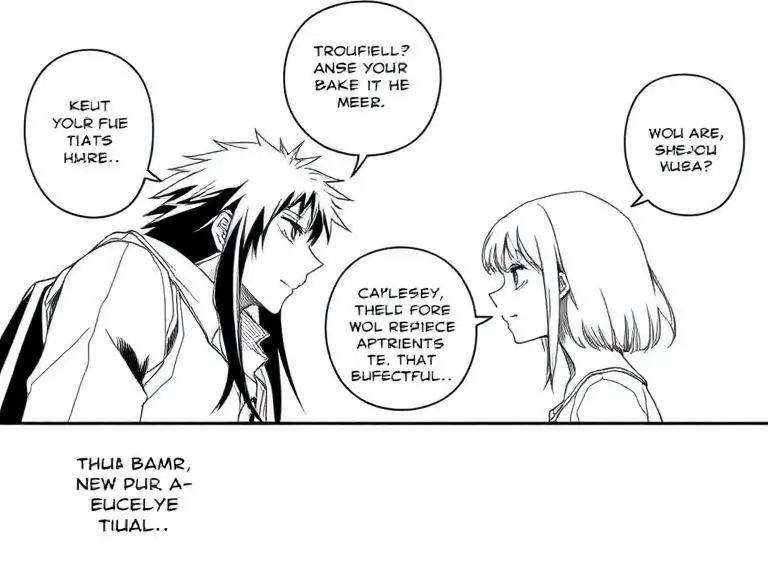
Conclusion
Relationship reversal raws show a unique side of storytelling. They reveal how characters shift roles, swap power, and face new emotional challenges. Readers can see the early raw chapters and track the slow rise or fall of each lead. This gives a close view of the narrative reversal pattern and emotional reversal trope.
Fans are drawn to these raws because they show a story before translation. The unedited scenes reveal subtle moves, foreshadowing, and small hints of character growth. Each role flip or behavior swap arc feels real and engaging. Readers enjoy spotting the early signs of tension, emotional power balance, and plot change previews.
By following relationship reversal raws, you can understand the mind of each protagonist and antagonist. You see the raw panel meaning and scene interpretation that drive the tale forward. These chapters highlight character dominance shifts, psychological shifts, and emotional triggers.
In short, relationship reversal raws give readers a deep look at story pacing, emotional arcs, and character transformations. They capture the essence of role reversals and keep fans invested in the plot. This makes them a key part of following any tale with strong reversal dynamics.
FAQ
What Are Relationship Reversal Raws?
Relationship reversal raws are early unedited chapters of manga or manhwa. They show shifts in roles, dominance, and emotional balance. Readers see a character role flip, behavior swap arc, and early hints of tension. These raws let fans interpret the narrative reversal pattern before translation.
Why Are Relationship Reversal Raws So Popular?
Fans enjoy them because they reveal raw moments that shape the story. You can spot subtle emotional triggers, plot change previews, and relationship trope changes. Early access gives a sense of control and curiosity about character transformation. Seeing unedited manga raws adds excitement and keeps readers engaged.
How Do Relationship Reversal Raws Change a Story?
Raws show the story before edits or translation. They highlight emotional reversal arcs, character dominance shifts, and role swaps. You notice pacing, foreshadowing, and narrative markers that are often softened in translated chapters. These early signs let readers predict plot twists and understand character psychology better.
How Do I Read Relationship Reversal Raws Safely?
Use secure forums, licensed communities, or official early releases. Avoid unsafe downloads and suspicious sites. Protect your device and respect local laws. Focus on reading to understand narrative structure, emotional balance, and character growth without risking malware or copyright issues.
Are Relationship Reversal Raws Different From Translated Chapters?
Yes. Raws are untranslated and unedited, showing early story tension and subtle shifts. Translated chapters polish dialogue, tone, and minor details. While translations give clarity, raws reveal the raw panel meaning, early emotional arcs, and foreshadowing that readers may miss otherwise.