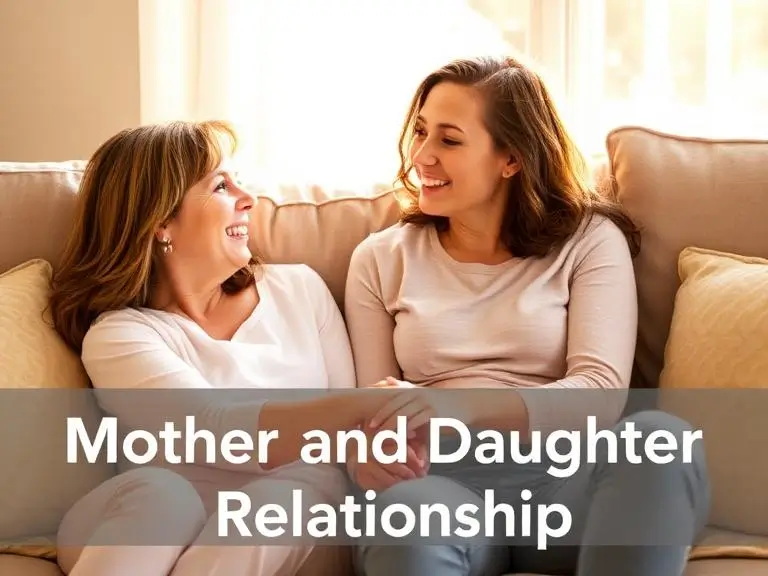


The vulnerable definition in relationship is about opening your heart to your partner. It means sharing feelings, admitting mistakes, and taking emotional risks. Being vulnerable is not a sign of weakness. It creates emotional intimacy and builds trust, helping both partners feel safe. When vulnerability is embraced, it allows for real connection and mutual understanding.
Emotional openness encourages authentic communication. When partners express their thoughts and emotions honestly, it reduces fear of rejection. Sharing feelings carefully strengthens relationship trust and fosters empathy. Small acts of vulnerability, like admitting a fault or expressing worry, help partners feel closer and more connected. Over time, these moments shape a strong foundation for intimacy and emotional safety.
Vulnerability also promotes relationship growth. It allows partners to explore emotions without judgment, supporting healthy boundaries and trust. By practicing emotional expression and listening with empathy, couples can navigate challenges together. Understanding the vulnerable definition in relationship is the first step toward deeper connection, shared understanding, and long-lasting bonds.
Understanding Vulnerability in Relationships
Vulnerability in a relationship means showing your true self to your partner. It is about being open, sharing feelings, and admitting mistakes without fear. This emotional exposure is not weakness. It is a way to build trust and authentic connection. When partners are vulnerable, they take a small emotional risk that can strengthen the bond.
Being vulnerable is important for emotional intimacy. It allows partners to connect beyond surface-level conversations. Sharing worries, hopes, and personal thoughts helps create understanding and empathy. This openness builds trust and shows that both partners are willing to be real with each other. Emotional risk, when handled with care, can lead to deeper relationship growth.
Vulnerability also supports authenticity. When you communicate honestly, your partner can respond with empathy and understanding. It creates a safe space where both people can express themselves freely. Over time, this emotional openness improves relationship trust and strengthens intimacy. Practicing vulnerability allows couples to grow together, handle conflicts better, and enjoy a more meaningful connection.
By embracing vulnerability, partners learn to balance emotional exposure with healthy boundaries, creating a relationship built on trust, openness, and authentic communication.
Why Being Vulnerable Feels Difficult
Being vulnerable in a relationship can feel hard, even when we know it helps connection. Many people face internal barriers that make emotional openness challenging. Understanding these obstacles can help partners take small steps toward trust and intimacy.
Psychological Barriers to Vulnerability
Some people struggle with vulnerability due to deep-rooted self-protection. Emotional risk can feel unsafe if past experiences have caused pain. Insecurity may make it hard to show feelings honestly. These psychological barriers create a shield that stops authentic communication. Recognizing these blocks is the first step toward overcoming them.
Fear of Rejection or Judgment
A common reason vulnerability feels difficult is fear of being rejected. Worrying that a partner will judge or misunderstand feelings can keep someone closed off. This fear limits emotional exposure and makes sharing feelings stressful. Learning to trust your partner and slowly express emotions can help reduce this fear over time.
Past Experiences That Block Openness
Past relationship disappointments or emotional trauma often make vulnerability intimidating. If a person has faced betrayal, criticism, or neglect, they may protect themselves by withholding emotions. These trust issues can prevent healthy emotional expression. Working on emotional safety and setting clear boundaries allows people to open gradually without feeling at risk.
By understanding psychological barriers, fear of judgment, and past experiences, partners can take steps to embrace vulnerability. Recognizing emotional risk and insecurity is essential to building trust, authentic communication, and stronger emotional intimacy in a relationship.

Core Elements of Vulnerability
Vulnerability in a relationship relies on several key elements that help partners connect on a deeper level. Understanding these elements allows individuals to practice emotional openness safely and effectively.
Emotional Exposure
Emotional exposure means sharing feelings honestly with your partner. This can include fears, worries, hopes, or joys. Being open in this way builds trust and shows authenticity. Emotional expression allows partners to understand each other’s inner world. It also encourages empathy, as both sides can relate to each other’s experiences.
Accountability
Admitting mistakes is another core element of vulnerability. Taking responsibility for actions shows honesty and strengthens relationship trust. Accountability signals that a person values their partner and the relationship enough to be truthful. It also encourages partners to resolve conflicts constructively and maintain emotional safety.
Appreciation and Respect
Expressing positive emotions such as gratitude, admiration, or affection is also a form of vulnerability. Sharing appreciation shows emotional honesty and builds intimacy. Respecting your partner’s feelings while communicating openly fosters mutual understanding. This creates a safe space where both partners feel valued and connected.
By combining emotional exposure, accountability, and appreciation, relationships can grow stronger. These elements allow partners to express themselves authentically and take emotional risks while maintaining trust. Practicing these key aspects of vulnerability helps couples develop empathy, deepen emotional intimacy, and maintain a healthy, lasting connection.
How to Be Vulnerable in Relationships
Being vulnerable in a relationship takes practice and care. It involves emotional sharing, honest communication, and building trust. By taking small steps, partners can open up safely and strengthen their connection. Vulnerability allows for deeper relationship growth and authentic intimacy.
Admit You’re Not Perfect
The first step is acknowledging your flaws and mistakes. Admitting you’re not perfect shows honesty and authenticity. It encourages your partner to see the real you and opens the door for mutual understanding. Small admissions of imperfection build trust and emotional safety.
Take Responsibility Instead of Blaming Others
Vulnerability also means taking responsibility for your actions. Instead of blaming your partner or external factors, own your behavior. This practice strengthens communication and reduces conflict. Emotional sharing through accountability allows relationships to grow healthier over time.
Express Appreciation, Respect, or Love
Showing positive emotions is another key step. Expressing appreciation, respect, or love demonstrates empathy and emotional openness. These small acts of vulnerability strengthen emotional intimacy and foster mutual understanding between partners.
Give and Accept Constructive Feedback
Being open to feedback and offering it constructively is essential. Accepting input without defensiveness shows trust and emotional maturity. Sharing honest thoughts and feelings in a respectful way encourages healthy communication and relationship growth.
Practicing these steps gradually helps partners build confidence in emotional exposure. Safe vulnerability strengthens bonds, nurtures empathy, and deepens intimacy. By embracing honesty, responsibility, appreciation, and constructive dialogue, couples can foster a secure, open, and lasting connection.
What Vulnerability Is Not
Vulnerability in a relationship is often misunderstood. Many think it means sharing everything without thought or using emotions to influence others. True vulnerability is about authenticity, trust, and emotional safety. It is not a tool for manipulation or control.
Vulnerability Is Not Manipulation
Being vulnerable is not a way to get your partner to act or feel a certain way. Using emotional exposure to control outcomes breaches trust and misuses emotions. Authentic vulnerability respects boundaries and keeps communication honest.
Vulnerability Is Not Emotional Dumping
Sharing feelings does not mean unloading every negative thought at once. Emotional dumping can overwhelm a partner and strain the relationship. Healthy vulnerability involves sharing emotions thoughtfully while maintaining mutual understanding. It strengthens connection instead of creating stress.
Vulnerability Is Not a Tactic to Control Someone
Some may confuse emotional openness with a strategy to influence a partner’s choices. True vulnerability does not seek to manipulate behavior. It builds trust by being honest, transparent, and respectful. Boundaries are maintained while expressing feelings openly.
Understanding what vulnerability is not helps partners communicate safely and effectively. When vulnerability is authentic and respectful, it fosters trust, strengthens emotional intimacy, and encourages relationship growth. Misusing emotions or ignoring boundaries can damage trust and intimacy, so it is essential to approach vulnerability with care and honesty.
Benefits of Vulnerability in Relationships
Vulnerability is a key ingredient in strong and lasting relationships. It allows partners to share feelings, admit mistakes, and take emotional risks. Practicing vulnerability fosters trust, emotional intimacy, and deeper connections between partners.
Builds Trust and Intimacy
Being open about emotions creates a safe space where partners can rely on each other. Sharing fears, worries, or hopes demonstrates honesty and authenticity. This trust building strengthens emotional bonds and increases relationship satisfaction. When both partners feel safe to be themselves, intimacy grows naturally, and communication becomes more meaningful.
Improves Emotional Resilience
Vulnerability helps individuals develop emotional intelligence and resilience. Facing fears of rejection or judgment and expressing emotions openly teaches coping skills. Partners learn to navigate conflicts calmly and support each other through challenges. Emotional exposure in a safe environment makes both partners more adaptable and understanding in difficult situations.
Encourages Mutual Growth and Understanding
When vulnerability is practiced consistently, partners develop empathy and insight into each other’s thoughts and feelings. This mutual understanding allows for personal growth and strengthens the relationship. By listening, responding with care, and respecting boundaries, couples foster a supportive environment. Emotional sharing and honesty encourage both partners to grow individually and together, improving overall relationship satisfaction.
In summary, embracing vulnerability promotes trust building, emotional intelligence, and relationship growth. Couples who communicate openly, express feelings honestly, and support each other’s emotional needs create a deeper, more resilient bond. Vulnerability is the foundation for intimacy, mutual respect, and lasting emotional connection.

Common Obstacles to Vulnerability
Vulnerability in relationships can be challenging due to several common obstacles. Understanding these barriers helps partners navigate emotional sharing safely and build trust. Recognizing what blocks openness allows for gradual, healthy vulnerability and stronger connection.
Fear of Rejection or Criticism
One major obstacle is the fear of being rejected or judged. People often hesitate to share feelings, admit mistakes, or express emotional needs because they worry their partner will respond negatively. This fear can create a trust deficit and limit emotional intimacy. Gradual exposure and reassurance help reduce this fear and build confidence in emotional sharing.
Past Trauma or Relationship Baggage
Experiences from previous relationships or personal trauma can make vulnerability feel unsafe. Betrayal, neglect, or criticism in the past can lead to self-protection and emotional withdrawal. These patterns can block authentic communication and prevent the development of mutual understanding. Healing, patience, and emotional safety are key to overcoming these challenges.
Cultural or Gender Norms Affecting Openness
Societal expectations and cultural norms often influence how people express emotions. Some may feel pressure to appear strong, unemotional, or stoic. These norms can hinder emotional expression and make vulnerability feel uncomfortable. Recognizing these influences and challenging limiting beliefs can encourage open and honest communication.
How to Practice Vulnerability Safely
Practicing vulnerability in relationships is essential, but it should be done carefully. Emotional exposure requires trust, patience, and attention to boundaries. Taking small steps ensures safety while fostering intimacy and authentic communication.
Start with Small Disclosures
Begin by sharing minor thoughts, feelings, or concerns. Gradual exposure allows you to test emotional safety and see how your partner responds. Small disclosures help build trust steadily without overwhelming either person. Over time, these small steps prepare the way for deeper emotional sharing.
Set Healthy Emotional Boundaries
Being vulnerable does not mean sharing everything at once. Clear boundaries protect both partners and maintain emotional safety. Decide what is comfortable to share and what needs time. Boundaries allow for honest communication without creating stress or overexposure. Respecting each other’s limits strengthens trust development and mutual understanding.
Choose Supportive Partners or Friends
Vulnerability works best in a safe environment. Share feelings with someone who listens empathetically, respects boundaries, and responds with care. Supportive partners encourage emotional openness and reduce fear of rejection. Healthy relationships provide a secure foundation for practicing authenticity and emotional expression.
Practicing vulnerability safely involves patience, gradual exposure, and respect for boundaries. By starting small, setting limits, and choosing supportive relationships, partners can build trust and deepen emotional intimacy. Safe vulnerability fosters empathy, authentic communication, and long-lasting relationship growth, making connections more meaningful and resilient.

Conclusion
The vulnerable definition in relationship is about being open, honest, and willing to share feelings with your partner. It means expressing emotions, admitting mistakes, and taking emotional risks while maintaining authenticity. Vulnerability is a sign of strength, not weakness, and it allows partners to connect on a deeper level.
Being vulnerable is essential for healthy relationships. It builds trust, emotional intimacy, and mutual understanding. Sharing feelings openly encourages empathy and strengthens the bond between partners. When both people practice vulnerability, they create a safe environment where emotions can be expressed without fear of judgment or rejection. This leads to stronger communication and relationship growth over time.
Practicing vulnerability safely is key. Start with small disclosures, set clear emotional boundaries, and share with supportive partners who respect your feelings. Gradual emotional exposure, combined with empathy and understanding, ensures that vulnerability strengthens rather than strains the relationship. By embracing vulnerability thoughtfully, couples can develop trust, deepen intimacy, and enjoy a lasting, meaningful connection.
FAQs
What Does It Mean to Be Vulnerable in a Relationship?
Being vulnerable in a relationship means showing your true feelings openly. It includes admitting fears, sharing worries, and expressing emotions honestly. This openness builds trust, emotional intimacy, and strengthens the bond between partners naturally.
What Makes You Feel Vulnerable?
Feeling vulnerable often comes from fear of rejection, judgment, or misunderstanding. Sharing deep emotions, admitting mistakes, or revealing personal insecurities can trigger this feeling. Vulnerability requires trust and emotional safety to express yourself comfortably.
What Is an Example of Vulnerability in a Relationship?
An example is admitting you were wrong after a conflict or sharing a personal fear with your partner. Expressing gratitude, love, or emotional struggles also demonstrates vulnerability while fostering trust and intimacy.
How Do I Be Vulnerable With My Partner?
Start small by sharing honest thoughts or admitting minor mistakes. Practice emotional openness gradually, listen empathetically, and maintain healthy boundaries. Choose moments when both feel safe to communicate openly.
What Are the Signs of Vulnerability?
Signs include honesty about feelings, willingness to take emotional risks, expressing fears, and admitting mistakes. Partners show openness, empathy, and authentic communication while seeking connection rather than control.
How Does Vulnerability Affect Intimacy?
Vulnerability deepens intimacy by fostering trust, empathy, and emotional closeness. Sharing feelings and personal experiences allows partners to connect authentically, improving understanding, relationship satisfaction, and long-term emotional bonds.