
What Is a Poison Relationship?
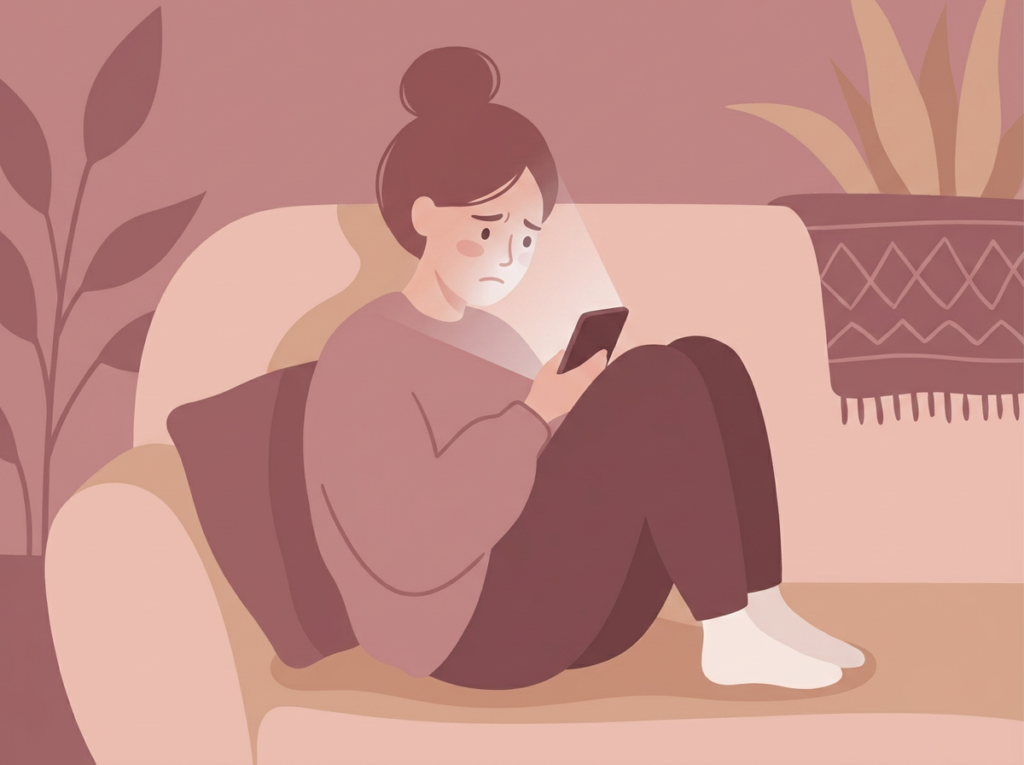
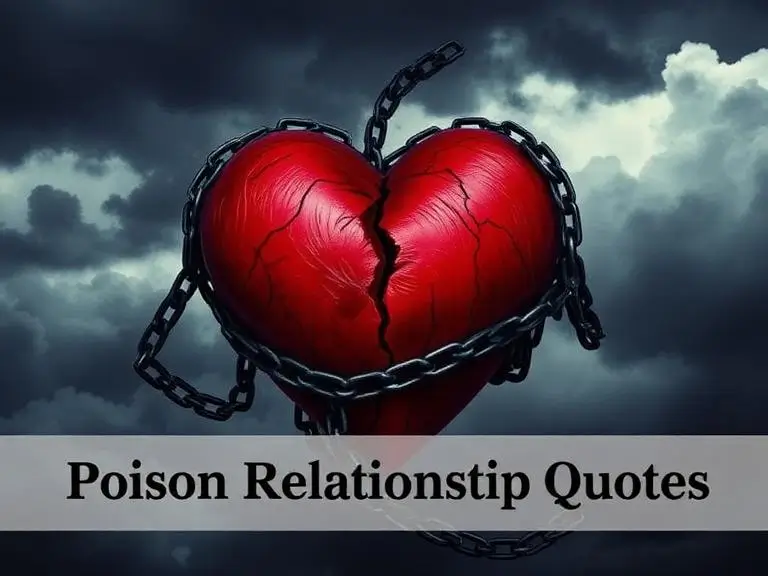
Poison relationship quotes often reflect connections that slowly damage your emotional health, sense of safety, and overall well-being. In a poisonous relationship, love mixes with fear, confusion, and instability. Instead of support, you feel drained, judged, or controlled. These poison relationship quotes highlight patterns like manipulation, boundary violations, gaslighting, and emotional neglect. Such relationships create constant emotional exhaustion and stress, quietly eroding confidence and self-worth. Over time, the harm feels normal, even though it’s deeply damaging.
How to Tell the Difference Between a Poison Relationship and a Rough Patch
Every relationship goes through ups and downs, and conflict alone doesn’t make a relationship toxic. A rough patch is temporary and usually followed by effort, communication, and mutual responsibility. In a poison relationship, the negativity isn’t a phase. It’s a pattern. You’re stuck in cycles of blame, manipulation, and emotional imbalance. In a healthy struggle, both people want to improve things. In a toxic dynamic, one person keeps taking while the other keeps shrinking.
Signs You’re Stuck in a Toxic Pattern
The signs often show up long before you realize what’s happening. You might feel guilty for speaking up or scared to express your feelings. You may notice constant criticism, emotional manipulation, or controlling behavior. There’s often a recurring sense of walking on eggshells. You may doubt your own memory because of gaslighting, or you feel responsible for fixing everything even when you’re not the cause. Emotional damage grows when these behaviors become routine instead of rare.
Why Poison Relationships Feel Hard to Leave
Leaving is difficult because toxic love often creates trauma bonds. The mix of affection and pain keeps you emotionally hooked. You hope things will change, even when the pattern repeats. Fear, guilt, and low self-worth also make it harder to walk away. Many people stay because the relationship feels familiar, even when it hurts. Healing starts when you recognize that love shouldn’t cost your mental health.
Why Poison Relationships Hurt So Deeply
Poison relationships cut deeper than most people expect because they work on your mind and emotions at the same time. They do not harm you all at once. They weaken you slowly. You start with hope and end with doubt. You enter with love and end with fear. The pain feels personal because it attacks the parts of you that should feel safe. When love turns into emotional chaos, the damage goes straight to your core. It affects how you think, how you feel, and how you see yourself in the world. This mix of confusion and attachment is what makes poisonous relationships so painful and so hard to understand.
Emotional Damage
The emotional damage begins with small cuts. A harsh comment. A guilt trip. A moment of silent treatment meant to control you. Over time, these small moments pile up. You start to believe you deserve this pain. The damage grows because you are emotionally invested in someone who hurts you.
Mental Exhaustion
Poison relationships drain your mind. You spend your days trying to predict moods and avoid conflict. You question your memories because of gaslighting. You lose sleep. You overthink simple things. This mental exhaustion becomes a cycle that keeps you stuck because you have no strength left to make a change.
Identity Erosion
The longer you stay, the more you lose yourself. Your confidence drops. Your goals fade. You forget what you enjoy. You shape your whole life around keeping the peace. This erosion of identity is one of the most silent but powerful impacts of a toxic bond.
Trauma Bonding Explained Simply
A trauma bond forms when love mixes with fear. The cycle of hurt and relief creates an emotional hook. Your brain ties comfort to the same person who harms you. This bond makes leaving hard because the relationship feels painful yet familiar.
Poison Relationship Quotes to Help You Move On
A poison relationship slowly drains your peace and hope. It clouds your mind and dulls your heart. These short quotes help you see the truth you tried to hide. They remind you that pain is not love and you deserve better.
30 Quotes
- Love should lift your heart, not break it every single day
- Pain is not proof that your love is worth keeping
- You lose yourself fast when the love feels like poison
- Their sweet words cannot fix the hurt they always cause
- You cannot heal while the same person keeps hurting you
- A toxic bond steals joy and gives nothing real in return
- Silence from them hurts more than any loud, painful truth
- You should not bleed just to keep someone else whole
- Love feels wrong when fear becomes part of every moment
- Your heart suffers when hope keeps fighting clear warning signs
- Poison love grows stronger when you ignore your inner voice
- You shrink inside when someone controls your thoughts and choices
- Pain becomes normal when you forget what peace feels like
- A toxic partner breaks trust, then asks for blind love
- Your worth fades when you stay where respect is missing
- Bad love feels warm at first, then slowly burns everything
- You cannot fix someone who keeps breaking your spirit
- Love should feel safe, not like a constant hidden trap
- You deserve truth, not lies wrapped in sweet, empty promises
- A toxic bond drains hope, yet still keeps you waiting
- You cannot grow while trapped in someone else’s chaos
- Painful love steals energy and gives stress in return
- A poison heart can never give you gentle care
- Trust dies fast when actions never match spoken words
- Leaving hurts less than staying where love feels harmful
- A toxic mind twists love into fear and confusion
- Your heart deserves calm, not constant storms without warning
- You are not hard to love they just lack honesty
- Walking away saves you when staying destroys your inner peace
- Real healing starts when you stop fighting for harmful love

1. Poison Relationship Quotes About Being Treated Badly
Why These Moments Hurt
Being treated badly in a poison relationship cuts deep. You expect care but receive blame. Small moments of neglect pile up over time. Emotional confusion grows when love is mixed with hurt. Feeling invisible or criticized slowly erodes your confidence. These moments make you question your worth constantly.
Quotes:
- Love should not feel like constant pain and worry.
- Being hurt by someone you trust feels unbearable daily.
- Painful words do not equal love in any form.
- You lose yourself when someone constantly puts you down.
- Emotional harm is not proof of deeper love.
- Criticism that breaks you is never an act of care.
- Feeling small around someone you love is not normal.
- You deserve kindness even when you make a mistake.
- Abuse hidden as love slowly destroys your inner peace.
- Being treated poorly does not make you less worthy.
How to Respond in a Healthy Way
Healthy responses protect your peace instead of fighting for approval. Set boundaries and clearly state what is unacceptable. Seek support from someone trustworthy. Avoid excuses for harmful behavior. Take time to reflect and prioritize self-care. Recognize that walking away can be an act of self-respect.
Quotes:
- Protecting yourself is not selfish but an act of strength.
- Boundaries are shields that preserve your heart and mind.
- You cannot fix someone who refuses to see harm.
- Distance is sometimes the only way to heal fully.
- Self-respect grows when you refuse to tolerate abuse.
- Speaking your truth is the first step to freedom.
- Choosing peace over chaos strengthens your emotional resilience.
- Love should never require you to lose yourself daily.
- Healthy detachment allows clarity and emotional recovery to begin.
- Walking away honors your worth and protects your heart.
2. Quotes About Feeling Unseen and Unappreciated
Why It’s Toxic
Feeling unseen in a poison relationship erodes your confidence. You give love but receive indifference. Your efforts go unnoticed, and your voice feels ignored. Over time, you start doubting your own value. Emotional neglect becomes routine, leaving you drained and isolated. This pattern quietly harms your mental and emotional health.
Quotes:
- Being invisible to someone you love slowly kills your spirit.
- Your efforts deserve recognition, not constant neglect or silence.
- Love that ignores you is not love at all.
- Feeling unseen drains your energy more than any argument.
- Your worth does not depend on their attention or praise.
- Ignored feelings are the first step toward emotional damage.
- You deserve care that notices your heart and needs.
- Silence in response to your effort is a toxic sign.
- Feeling unappreciated is a warning, not a personal failure.
- Love should see you, honor you, and protect you.
How to Take Your Power Back
Reclaim your power by setting boundaries and valuing yourself. Stop shrinking to gain attention. Speak your needs calmly and firmly. Surround yourself with people who validate your feelings. Take space if your efforts continue to be ignored. Prioritize emotional freedom and self-worth over seeking approval.
Quotes:
- You regain strength when you stop begging for recognition.
- Boundaries protect your energy and respect your needs daily.
- Speaking your truth is the first step to freedom.
- Self-respect grows when you refuse to tolerate indifference.
- Distance restores clarity and emotional peace over time.
- You deserve care without asking repeatedly for it.
- Reclaiming yourself begins when you stop living for others.
- Love that honors you never requires you to shrink.
- Emotional freedom comes from valuing your feelings above neglect.
- Choosing your worth is the most powerful act of self-love.
3. Quotes About Emotional Manipulation
Why Manipulation Feels “Normal” in Poison Relationships
Emotional manipulation feels normal because it builds slowly over time. Small guilt trips, mixed messages, or control disguised as care make you adjust constantly. You begin to doubt your memory and your instincts. Over time, these patterns feel familiar, even if they are harmful. Gaslighting and control blur the line between love and harm. Emotional manipulation quietly drains your energy and self-worth.
Quotes:
- Manipulation often hides behind words that seem like care.
- Guilt should never be used to control your choices.
- When love feels conditional, manipulation may be at play.
- Small lies pile up into emotional exhaustion over time.
- Feeling confused often signals someone is twisting the truth.
- Control disguised as affection is still harmful, not love.
- Gaslighting makes you question your reality, not their actions.
- Emotional manipulation is a pattern, not just one bad day.
- Being blamed constantly is not proof of your failure.
- Recognizing manipulation is the first step toward freedom.
How to Break the Cycle
Breaking manipulation begins with noticing patterns and trusting your instincts. Set clear boundaries and refuse to participate in guilt or control games. Talk to someone who validates your experience. Keep records of events to maintain perspective. Distance yourself when the behavior continues. Prioritize emotional clarity over temporary peace. Freedom comes when you choose self-respect over fear.
Quotes:
- Boundaries are shields that protect you from emotional harm.
- Speaking your truth disrupts manipulation and restores clarity.
- Distance allows you to see patterns you once ignored.
- Trusting your instincts is more powerful than excuses for them.
- Freedom grows when you refuse to play their control games.
- Emotional safety is worth more than temporary comfort or fear.
- You cannot fix someone who refuses to see harm.
- Observing the pattern is the first step to liberation.
- Protecting your peace is a courageous act of self-love.
- Breaking the cycle begins when you value yourself above control.
4. Quotes About Lies and Fake Love
Why Fake Love Feels Real
Fake love can feel real because it often mixes kindness with deception. Small acts of affection mask deeper control or dishonesty. Your mind clings to the moments that feel good while ignoring repeated harm. This contrast creates confusion and emotional attachment. Over time, you may forgive lies or excuse manipulation because you want love to exist. The danger is that fake love erodes trust and self-worth while keeping you hooked. Emotional investment grows faster than clarity, making it hard to leave. Recognizing the signs early helps protect your mental health and sense of self.
Quotes:
- Fake love hides behind moments that feel like care.
- Lies wrapped in affection still poison your heart and mind.
- You feel real love even when it’s built on deceit.
- Excusing lies only allows toxicity to grow stronger inside.
- False love confuses hope with unhealthy attachment patterns.
- You deserve truth, not affection that manipulates your feelings.
- Trust fades when love is built on hidden intentions.
- Fake love drains peace while keeping you emotionally hooked.
- Loving someone who lies often costs your self-worth.
- The hardest part is seeing reality behind false kindness.

What You Can Do Next
Step back and observe the relationship honestly. Set boundaries that protect your heart. Stop excusing lies or making excuses for harmful behavior. Talk to someone who can give perspective and support. Focus on your self-worth and emotional freedom. Remember, leaving a fake love is not failure—it is reclaiming your peace and choosing relationships that honor your value.
Quotes:
- Walking away is choosing honesty over comfortable deception.
- Boundaries are essential when love feels fake or controlling.
- Truth is stronger than affection built on lies.
- Protecting your peace is never selfish, always necessary.
- You cannot heal while accepting false love daily.
- Emotional freedom begins when you refuse toxic attachments.
- Distance reveals patterns hidden by fake kindness.
- Self-respect grows when you stop excusing dishonesty.
- Fake love fades when you value yourself first.
- Leaving toxicity opens space for genuine love to grow.
5. Quotes for One-Sided Relationships
When Love Becomes a Solo Job
One-sided relationships feel exhausting because only one person invests effort. You give time, care, and attention while the other takes without reciprocating. Over time, hope fades and resentment grows. Your energy drains as you try to keep the connection alive. Feeling unseen, unheard, or undervalued is common. Emotional imbalance in such bonds creates stress and self-doubt. You may convince yourself it’s normal, but a healthy relationship requires mutual care. Recognizing that love should not be a solo job is the first step toward change.
Quotes:
- Love should be shared, not carried by one heart alone.
- Giving endlessly while receiving little erodes your soul quietly.
- One-sided love drains energy and clouds emotional clarity.
- Effort without reciprocity is not proof of love.
- You deserve someone who meets you halfway consistently.
- Loving alone is tiring, unhealthy, and unsustainable long-term.
- Emotional imbalance hurts more than open conflict ever could.
- Hope cannot replace mutual care in a lasting bond.
- Being the only giver is a silent kind of pain.
- One-sided love is a warning, not a test of loyalty.
How to Step Out of the Pattern
Set boundaries that protect your energy and emotions. Stop overcompensating or excusing the other person. Focus on relationships where care flows both ways. Seek support from friends or mentors who recognize the imbalance. Practice self-love and self-respect to regain confidence. Walking away from one-sided bonds allows you to redirect your energy toward healthy, balanced connections that truly honor your worth.
Quotes:
- Boundaries protect your heart from unreciprocated effort.
- Mutual love is earned, not begged for endlessly.
- Walking away is reclaiming energy wasted on imbalance.
- Healthy relationships value both hearts equally, not one constantly.
- Self-respect grows when you stop giving to those who take.
- Love that hurts repeatedly is not worth enduring.
- Stepping back restores clarity and emotional strength naturally.
- One-sided effort is a sign to reassess the bond.
- You cannot fix someone unwilling to meet you halfway.
- Leaving imbalance creates space for genuine, shared connection.
6. Quotes About Control and Possessive Behavior
Why It’s a Red Flag
Control and possessive behavior in a relationship is toxic because it limits your freedom. When someone monitors your actions, choices, or feelings, it creates fear and stress. Love should feel safe, not like a trap. Possessiveness often hides as care or protection, but it erodes trust and independence. Over time, you may start doubting your own decisions. Emotional manipulation can make controlling behavior feel normal. Recognizing these patterns early is essential. They signal that the relationship prioritizes power over mutual respect. Ignoring these red flags prolongs emotional harm and keeps you stuck in a cycle of fear and guilt.
Quotes:
- Love should never feel like a cage around your heart.
- Possessiveness is control disguised as concern or care.
- When freedom feels restricted, the bond is unhealthy.
- Control is a sign, not proof of true love.
- Emotional manipulation often comes with possessive behavior.
- True love honors choices, not monitors them constantly.
- Feeling trapped is never a sign of affection.
- Possessive actions slowly destroy trust and inner peace.
- Love should lift, not chain your heart or mind.
- Freedom in love is the best proof of respect.
How to Set Boundaries
Boundaries protect your peace and identity in a controlling relationship. Clearly express what is acceptable and what is not. Say no without guilt. Limit access to personal space or information if needed. Seek support from trusted friends or professionals. Practice self-respect and prioritize emotional safety. Boundaries are not punishment—they are necessary for healthy connection and long-term emotional freedom.
Quotes:
- Boundaries are your shield against control and manipulation.
- Saying no is an act of self-respect, not defiance.
- Freedom is essential for love to thrive authentically.
- Protecting your space preserves mental and emotional health.
- Boundaries teach respect even when words fail to convince.
- You cannot grow while someone controls every choice.
- Emotional safety is non-negotiable in any relationship.
- Clear limits reduce fear and build inner strength.
- Standing firm restores balance in toxic dynamics.
- Healthy love respects boundaries naturally, without pressure or guilt.
7. Heartbreak Quotes When Love Turns Poisonous
Why Your Heart Feels Heavy
Heartbreak from a poison relationship is more than sadness—it is emotional exhaustion. You grieve not just the person but the trust and safety you lost. Every memory may feel tinged with pain. Emotional manipulation and lies weigh on your mind and body. The confusion between love and harm makes healing feel slow. Guilt, anger, and sorrow overlap, leaving your heart heavy and drained. Understanding that the pain is normal but temporary helps you cope. Accepting the reality of the toxic bond is the first step toward reclaiming peace and emotional freedom.
Quotes:
- Heartbreak feels heavier when love was mixed with lies.
- Losing someone toxic is relief, not failure or loss.
- Pain reminds you that you cared too much, not wrongly.
- Trust broken by poison love leaves scars you cannot ignore.
- Emotional exhaustion is natural when love drains more than it gives.
- Letting go is hard, but staying is far worse.
- A heavy heart is a sign that change is needed.
- Grieving a toxic love is part of reclaiming yourself.
- Love that hurts repeatedly is not love at all.
- Heartbreak clears space for genuine peace and care.
How to Heal Without Going Back
Healing requires firm boundaries and emotional self-care. Avoid contact if it triggers old pain. Reflect on patterns to understand the lessons, not blame yourself. Seek support from friends or professionals to rebuild clarity. Focus on self-love and activities that restore joy. Journaling or meditation can help process emotions. Remember, walking away is not weakness—it is an act of strength. Healing grows when you prioritize peace over nostalgia or fear of loneliness. Rebuilding your life without returning to toxic patterns ensures long-term emotional freedom and resilience.
Quotes:
- Healing begins when you stop revisiting harmful memories constantly.
- Walking away is reclaiming your heart, mind, and energy.
- Self-love is stronger than fear of being alone.
- Recovery grows when you honor boundaries and personal space.
- Peace comes when you let toxic love fade completely.
- Avoiding the past is not forgetting, it is protection.
- Emotional freedom starts when you choose yourself first.
- Healing is a journey, not a single moment of courage.
- Let go to make room for genuine connection.
- Choosing peace over pain is the bravest act of love.
8. Quotes About Reaching Your Breaking Point
Why Leaving Hurts Even When It’s Right
Leaving a poison relationship often feels painful even when it’s the right choice. Your heart clings to memories of love, hope, or moments that once felt real. Guilt, fear, and uncertainty can cloud judgment. The conflict between what you feel and what you know is healthy creates emotional tension. Even when you see the toxicity clearly, walking away triggers grief for the life you imagined. This pain is natural—it shows how invested you were. Understanding that leaving is an act of self-respect helps ease the heaviness. Accepting the discomfort as part of the healing process allows you to move forward with strength and clarity.
Quotes:
- Leaving hurts because love was once real, even if poisoned.
- Breaking free is pain mixed with relief and clarity.
- Your heart mourns the version of them you believed in.
- Letting go feels heavy, but staying would crush your soul.
- Fear of loneliness cannot outweigh the damage you endure.
- Walking away is strength, not failure or weakness.
- You grieve the hope, not the person alone.
- Ending toxic ties is the first step to freedom.
- Leaving feels like loss, but staying feels worse daily.
- Your peace is worth the temporary heartbreak of leaving.
How to Move Forward Safely
Moving forward safely means prioritizing emotional and physical well-being. Limit or cut contact if needed to regain clarity. Surround yourself with supportive friends or family. Engage in activities that rebuild confidence and joy. Reflect on lessons from the relationship without self-blame. Consider therapy or counseling to process trauma and prevent repeating patterns. Focus on self-care and rebuilding identity. Step by step, trust and emotional freedom can grow. Choosing safe, intentional actions ensures healing while protecting your heart.
Quotes:
- Safety begins with boundaries and protecting your emotional space.
- Support from others strengthens your journey toward freedom.
- Rebuilding confidence is essential after toxic experiences.
- Reflection without blame allows growth and clarity to emerge.
- Therapy helps process trauma and prevents repeated harm.
- Self-care restores strength and nurtures your emotional resilience.
- Step by step, freedom becomes real and lasting.
- Intentional choices protect your heart from future toxicity.
- Moving forward safely means valuing yourself above fear.
- Healing grows when your actions prioritize peace over pain.
9. Quotes About Walking Away From a Poison Relationship
Why Staying Damages You
Staying in a poison relationship slowly erodes your peace and confidence. Each compromise, excuse, or ignored boundary chips away at self-worth. Emotional manipulation, control, and neglect create constant stress and anxiety. Over time, hope fades, and resentment grows. You may convince yourself that staying shows loyalty or love, but it damages your mind and heart. Remaining in harm’s way prolongs pain and prevents growth. Walking away is not rejection—it is protection. Leaving allows you to reclaim your life and energy. Recognizing the long-term damage motivates the courage to step away.
Quotes:
- Staying in toxicity is a slow death of your spirit.
- Love that constantly harms is not love at all.
- Compromising your peace is never proof of loyalty.
- Emotional abuse leaves scars invisible but deeply felt.
- Remaining in harm prolongs pain you do not deserve.
- Hope cannot replace respect, care, or honesty.
- Toxicity slowly erodes trust, confidence, and joy.
- Staying feels familiar but costs your emotional freedom.
- Walking away is strength, not weakness or failure.
- Your heart deserves protection, not repeated harm.
How to Protect Yourself
Protect yourself by creating firm boundaries and limiting contact. Seek support from friends, family, or professionals who validate your experience. Focus on self-care and rebuilding your emotional strength. Recognize triggers and avoid places or patterns that lead back to harm. Journaling or therapy can help process feelings and reinforce clarity. Protecting your heart and mind ensures you regain peace. Walking away is the first step toward freedom and healthy future relationships.
Quotes:
- Boundaries are essential shields against repeated emotional harm.
- Distance creates space to heal and regain perspective.
- Support from others strengthens your courage and resolve.
- Self-care is not selfish—it is necessary for survival.
- Recognizing triggers prevents repeated emotional damage.
- Journaling helps process pain and reinforce clarity.
- Walking away safeguards your heart and mind.
- Protecting yourself is the first step toward peace.
- Freedom grows when you choose self-respect over fear.
- Healthy relationships cannot flourish where toxicity remains.
10. Quotes About Choosing Yourself Over Pain
Why Self-Respect Saves You
Choosing yourself in a poison relationship restores your dignity and peace. Constant compromise or tolerance of harm erodes self-worth. When you prioritize self-respect, you protect your emotional and mental health. Recognizing your value allows you to stop accepting behavior that drains you. Self-respect creates clarity and courage, helping you make decisions that honor your needs. It stops cycles of manipulation, control, and neglect. Valuing yourself over pain is not selfish—it is necessary for healing. When you respect your own boundaries, you reclaim your life and emotional freedom.
Quotes:
- Choosing yourself is stronger than clinging to toxic love.
- Self-respect is the shield that protects your heart.
- Love should never require sacrificing your dignity daily.
- Prioritizing yourself is the first step toward real freedom.
- Saying no honors your heart and your mind.
- Choosing peace over pain is an act of courage.
- Valuing yourself ends cycles of manipulation and neglect.
- Self-worth is more important than temporary comfort or fear.
- Protecting your boundaries is choosing life over harm.
- Your happiness begins when you put yourself first.
How to Start Fresh
Starting fresh requires clear boundaries and emotional space. Limit or cut contact with toxic influences. Reflect on lessons learned without self-blame. Focus on activities and people that rebuild confidence and joy. Surround yourself with positivity and support. Practice self-love and forgiveness for yourself. Let go of the past while setting goals for the future. Each step reinforces independence, peace, and emotional strength. Starting fresh allows you to create relationships that honor your worth and foster genuine happiness.
Quotes:
- Fresh starts begin when you release toxic attachments.
- Boundaries protect your new path and emotional freedom.
- Surround yourself with people who honor your worth.
- Focus on activities that restore joy and confidence.
- Forgiving yourself allows true emotional recovery to begin.
- Letting go is necessary to step into peace.
- Independence grows when you prioritize your needs over fear.
- Each step forward rebuilds clarity and resilience.
- Starting fresh creates space for genuine love to grow.
- Choosing yourself first ensures long-term happiness and freedom.
11. Quotes for Healing After a Poison Relationship
Why Healing Is Not Linear
Healing after a poison relationship takes time and patience. Emotions can fluctuate between relief, sadness, anger, and guilt. Progress may feel slow, and setbacks are normal. Emotional wounds need care, reflection, and self-compassion to fully mend. You may revisit memories that trigger pain or doubt. This does not mean failure; it is part of the process. Understanding that healing is non-linear allows you to be gentle with yourself. Accepting ups and downs prevents frustration and encourages steady emotional growth. Each step forward, no matter how small, brings clarity, peace, and resilience.
Quotes:
- Healing is a journey, not a straight path to peace.
- Ups and downs are normal after emotional trauma ends.
- Recovery takes time; setbacks do not mean failure.
- Emotional wounds need care and patience to fully mend.
- Feeling pain during healing shows that growth is happening.
- Each small step forward restores strength and clarity.
- Healing slowly is better than rushing into false closure.
- Non-linear recovery is part of reclaiming your life fully.
- Compassion for yourself is essential for long-term healing.
- Progress is measured in resilience, not speed of recovery.
Emotional Recovery Tips
Focus on self-care and emotional reflection daily. Journal your thoughts to understand patterns and triggers. Seek therapy or supportive friends to validate your feelings. Set clear boundaries to avoid further harm. Engage in activities that bring joy, energy, and confidence. Practice mindfulness or meditation to process emotions safely. Celebrate small wins in emotional strength. Prioritize peace over revisiting toxic memories. Surround yourself with positive, uplifting influences. Healing requires patience, self-respect, and consistent care. By taking intentional steps, you gradually rebuild emotional stability and freedom.
Quotes:
- Self-care restores energy and protects against emotional relapse.
- Journaling helps process pain and track growth daily.
- Therapy offers guidance and support for lasting recovery.
- Boundaries prevent repeated harm and reinforce self-respect.
- Mindfulness allows emotions to flow without controlling you.
- Celebrating progress encourages motivation and emotional resilience.
- Positive influences strengthen your journey toward freedom.
- Small wins build confidence and restore clarity gradually.
- Healing takes time, patience, and intentional self-love.
- Rebuilding emotional freedom is a step-by-step process.
How to Stop Repeating Poison Relationship Patterns
Understanding Your Attachment Style
Your attachment style affects how you relate to others. Recognizing anxious, avoidant, or secure patterns helps prevent repeating harmful cycles. Awareness allows you to make conscious choices instead of reacting automatically.
Recognizing Red Flags Early
Learn to notice control, manipulation, or neglect early. Trust your instincts when something feels wrong. Early recognition prevents more serious emotional damage.
Rebuilding Self-Worth
Focus on self-love and personal boundaries. Engage in activities that boost confidence. Value your feelings and prioritize emotional safety.
Healthy Ways to Communicate Your Needs
Express yourself clearly and calmly without blame. Use open dialogue and active listening to foster mutual understanding. Assertiveness protects your emotional health.
Breaking toxic patterns requires reflection, self-awareness, and consistent practice. Understanding yourself, spotting warning signs, and communicating boundaries rebuilds emotional resilience. Over time, these habits create healthier relationships that honor your worth and protect your peace.

Learn How to Avoid Poison Tendencies in Relationships
Awareness Before Action
Being aware of your behaviors helps prevent repeating toxic patterns. Notice control, jealousy, or manipulation in yourself. Self-reflection allows you to act consciously instead of reacting emotionally.
Boundaries That Protect You
Clear boundaries protect your peace and identity. Define what is acceptable and what is not. Communicate limits calmly and stick to them consistently. Boundaries prevent others from taking advantage or causing harm.
Avoiding Emotional Dependence
Relying too much on someone for validation or happiness creates vulnerability. Focus on building self-confidence and independence. Maintain friendships, hobbies, and personal goals outside the relationship. Emotional freedom strengthens resilience and reduces repeated cycles of toxicity.
Awareness, strong boundaries, and emotional independence are key to avoiding poison tendencies. By practicing self-reflection, protecting your space, and fostering self-reliance, you create healthier relationships. These habits ensure you engage in connections that are mutually respectful, supportive, and emotionally safe. Over time, they build lasting trust, balance, and personal peace.
Conclusion
Poison relationship quotes show the harsh realities of toxic love and manipulation. They remind us that emotional harm can occur in subtle ways, often disguised as care or affection. Understanding these patterns helps you recognize red flags, protect your boundaries, and value your self-worth. Learning from these quotes encourages reflection on past experiences and prevents repeating destructive cycles.
Healing from a poison relationship requires patience, self-awareness, and courage. Setting clear boundaries, rebuilding emotional strength, and practicing self-respect are essential steps. Surrounding yourself with supportive people and focusing on personal growth reinforces resilience. These actions help you avoid emotional dependence and foster healthier connections.
By reflecting on poison relationship quotes, you gain clarity and insight into unhealthy patterns. Choosing yourself, prioritizing emotional freedom, and communicating your needs create space for genuine love and trust. Ultimately, recognizing toxicity and taking steps to heal empowers you to build relationships that nurture your heart and protect your peace.
FAQs
What is a good quote for a toxic relationship?
A toxic relationship hides pain behind love. “Not all love heals; some wounds silently kill.” Recognizing this helps you see danger, protect yourself, and seek healthier, honest connections that nurture growth.
How to tell if a relationship is toxic?
Signs include constant criticism, manipulation, emotional exhaustion, and fear of being yourself. If your peace is regularly sacrificed, communication feels controlling, or guilt dominates, the relationship is likely toxic.
What to do when a relationship is toxic?
Set clear boundaries, reduce dependence, and seek support from friends, family, or professionals. Focus on self-care, reflection, and understanding patterns to protect your emotional and mental health.
When to leave a toxic relationship?
Leave when repeated harm persists despite communication or attempts to fix it. Prioritize emotional safety, self-respect, and personal growth over fear, attachment, or guilt keeping you trapped.
What is the 3-3-3 rule in a relationship?
The 3-3-3 rule suggests pausing three deep breaths, noticing three feelings, and identifying three thoughts before reacting. It prevents impulsive responses and reduces emotional escalation.
What stage do most couples break up?
Many breakups occur during the early years or after major life changes. Conflicts, unmet expectations, and poor communication often surface, revealing incompatibility or unresolved personal issues.