
Many people hear the term open relationship but don’t fully understand it. An open relationship means two partners agree that love or sex can also happen outside their bond. Some see it as freedom. Others see it as a risk. Unlike monogamy, an open relationship allows choices beyond one partner. It is a type of consensual non-monogamy, and it can look different for every couple.
An open relationship may involve dating apps, casual sex, or even long-term romantic relationships. Some couples call it ethical non-monogamy, while others compare it to swinging or open marriage. Every open relationship has rules, boundaries, and agreements that protect trust and emotional intimacy.
Understanding Open Relationships
What Does Open Relationship Mean?
An open relationship is when two people agree they can also date or have sex outside their main bond. Both partners give consent. It is not about secrecy. It is about choice, honesty, and trust. This type of relationship can bring freedom, but it also needs strong communication skills and clear rules.
Other Names for Open Relationships
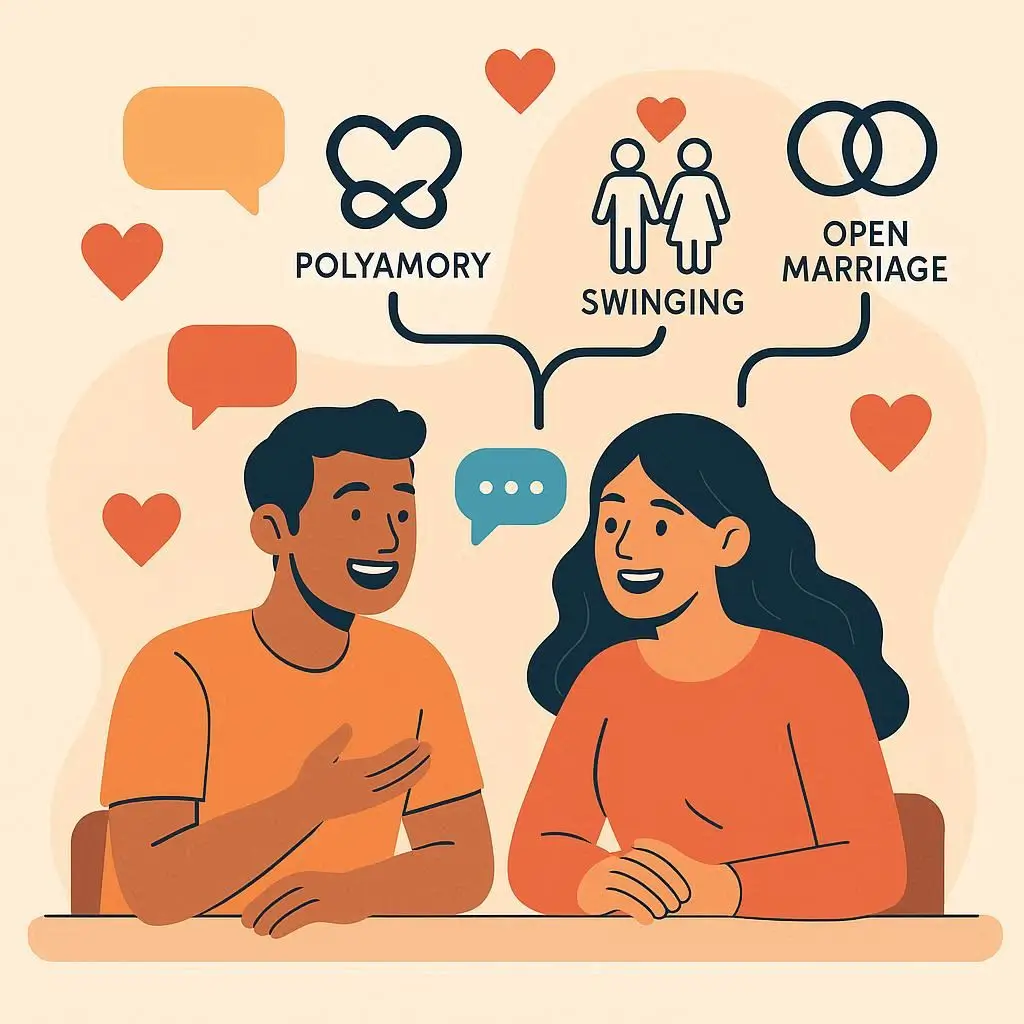
An open relationship can also be called ethical non-monogamy or consensual non-monogamy. Some couples use terms like swinging or open marriage. Polyamory is another related word, though it often means forming more than one romantic connection, not just casual sex. Each name reflects a different style of non-monogamous relationships.
Types of Open Relationships
There are many forms. Some couples allow casual sex or hookups. Others try dating apps to meet new people. A few build long-term romantic relationships with secondary partners. Swinging often focuses on shared sexual experiences. Polyamory may involve love with multiple people. Each type has unique rules and agreements.
Who Chooses an Open Relationship?
Common Reasons Couples Explore Openness
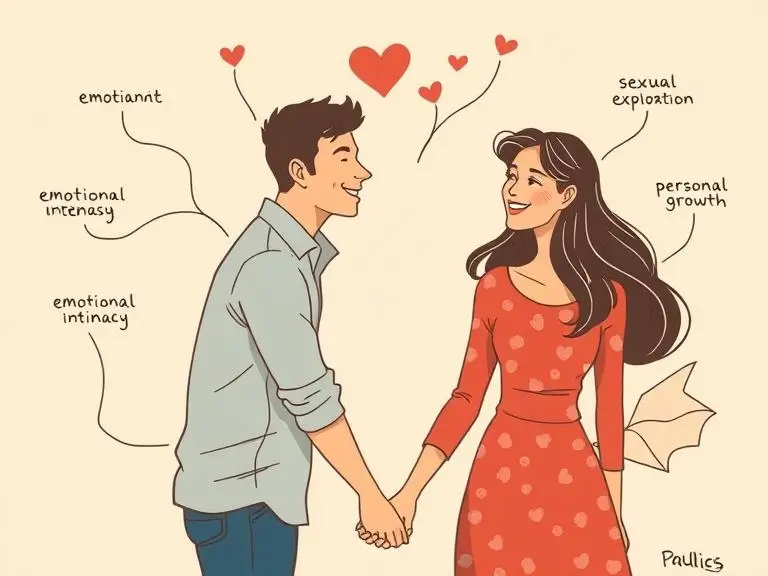
Couples may choose an open relationship for many reasons. Some want more sexual variety while staying committed to their main partner. Others hope to explore casual sex or hookups without lying. A few look for emotional intimacy with secondary partners while keeping their primary partner close. Some couples try swinging for shared excitement. For others, it is about freedom and personal growth. In every case, clear boundaries and open communication are key.
What Research Says About Open Relationships
Studies on non-monogamy show open relationships are more common than many think. Research suggests millions of people in the U.S. have tried consensual non-monogamy. Experts like psychologists and relationship therapists say success depends on honesty and trust. Data also shows that divorce rates are not higher for couples in ethical non-monogamy compared to monogamy. Infidelity statistics even suggest secrecy harms relationships more than openness.
Benefits of Open Relationships
Emotional Benefits
An open relationship can bring stronger emotional intimacy. When couples talk openly, they often build more honesty and trust. Some even feel compersion, which is joy when a partner is happy with someone else. Clear communication skills and empathy reduce insecurity and resentment. Emotional needs are discussed instead of hidden. This can create a deeper sense of connection.
Sexual Benefits
Sexual health and satisfaction are often reasons couples try openness. Some explore casual sex or hookups. Others enjoy swinging together. For many, safe sex practices become more important, which protects both partners. Couples may learn new habits that improve passion and desire in their own bond. Exploring outside does not mean less attraction at home. It can bring fresh energy back into the relationship.
Personal Growth and Freedom
An open relationship can also support personal growth. Partners learn about self-awareness, vulnerability, and attachment styles. They may grow stronger in handling jealousy management and conflict resolution. Having choices outside of monogamy gives some people freedom to explore different sides of themselves. At the same time, commitment to a primary partner remains central. This balance of freedom and loyalty can be powerful.
Potential Pitfalls of an Open Relationship
Jealousy and Insecurity
One of the biggest risks in an open relationship is jealousy. Seeing a partner with someone else can create feelings of insecurity. Without strong jealousy management, these emotions can turn into resentment or betrayal. Couples need empathy and open communication to keep trust strong.
Miscommunication and Broken Boundaries
Clear rules and agreements are the foundation of non-monogamous relationships. If those rules are not followed, trust can break quickly. Misunderstandings about casual sex, dating apps, or emotional intimacy often cause conflict. Regular relationship check-ins and revisiting agreements help prevent broken trust and emotional fallout.
Social Stigma and Family Pressure
Open relationships are still judged by many people. Friends or family may not understand consensual non-monogamy. Some couples face secrecy or rejection when they share their choices. This pressure can create stress and conflict within the relationship. Support communities, therapists, or open relationship forums can help couples handle stigma.
Is an Open Relationship Right for You?
Key Questions to Ask Yourself
Before trying an open relationship, ask yourself some honest questions. Do you feel secure in your current bond? Can you handle jealousy and trust your partner fully? Are you ready to talk about emotional needs, sexual relationships, and personal boundaries without fear? Do you want casual sex, or are you open to deeper romantic relationships with secondary partners? These questions guide self-awareness and help you decide if this path matches your values.
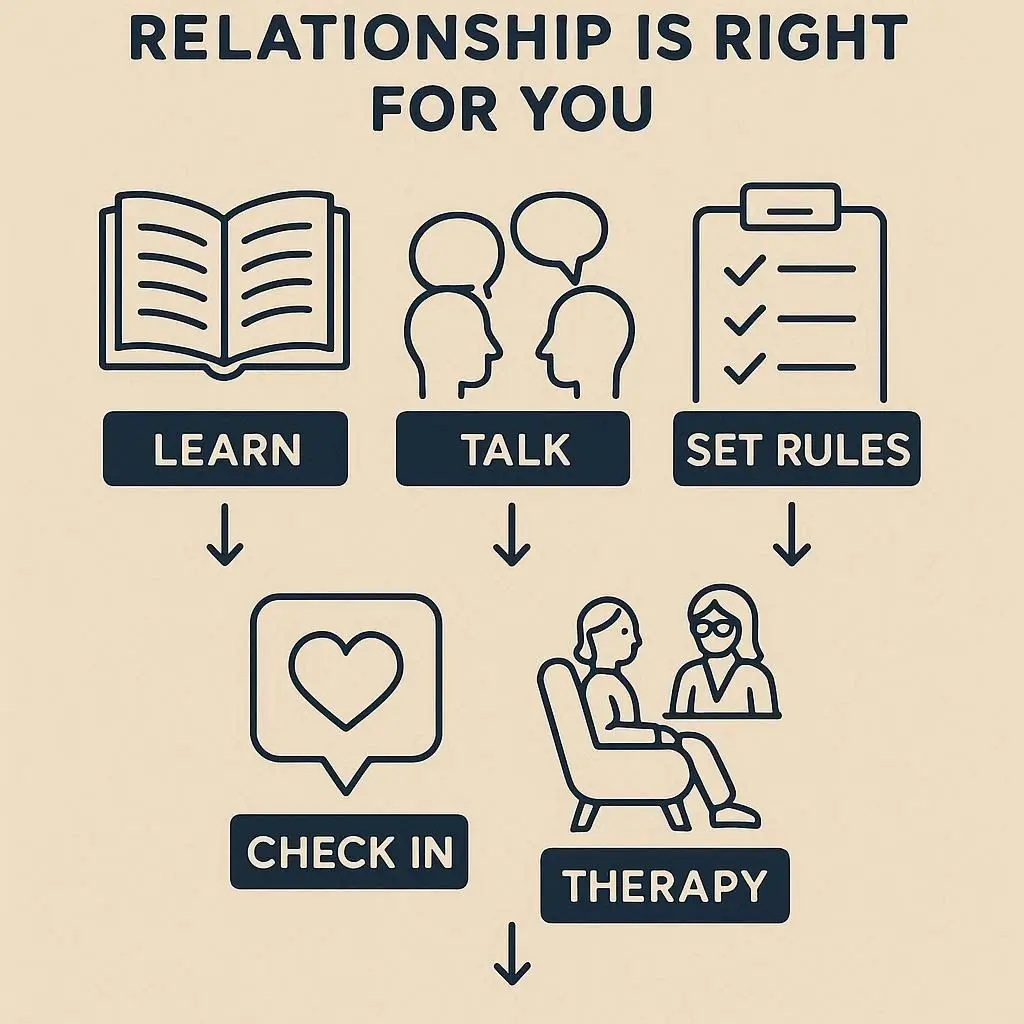
The Five Steps to Decide if It’s a Good Fit
Experts like relationship therapists suggest a simple process. First, learn about consensual non-monogamy through books like The Ethical Slut or Sex at Dawn. Second, have an open talk with your partner. Third, agree on a trial period with clear rules and agreements. Fourth, check in often and revisit those agreements. Fifth, seek guidance from a counselor or sex therapist if challenges appear. These steps create a decision-making framework that balances freedom with commitment.
How to Talk About an Open Relationship With Your Partner
Guidelines for Respectful Conversations
Starting this talk takes patience and respect. Choose a calm time when both partners can listen. Use “I” statements to share feelings instead of blaming. For example, say “I feel curious about consensual non-monogamy” rather than “You don’t give me enough.” Honesty and trust matter most. Listening with empathy builds safety in the conversation.
Setting Expectations Early
Before moving forward, set clear expectations. Decide if dating apps are okay, or if casual sex is allowed. Talk about how often to check in and what rules protect the primary partner. These agreements shape the foundation of an open relationship. They also prevent secrecy, broken trust, and future conflict.
Talking Through Jealousy and Insecurities
Jealousy is normal, but it must be managed. Talk openly about fears of rejection or betrayal. Share emotional needs and discuss attachment styles. Some couples find help from a relationship therapist or counselor when insecurities grow. With compassion, jealousy can turn into understanding instead of resentment.
Strategies for a Healthy Open Relationship
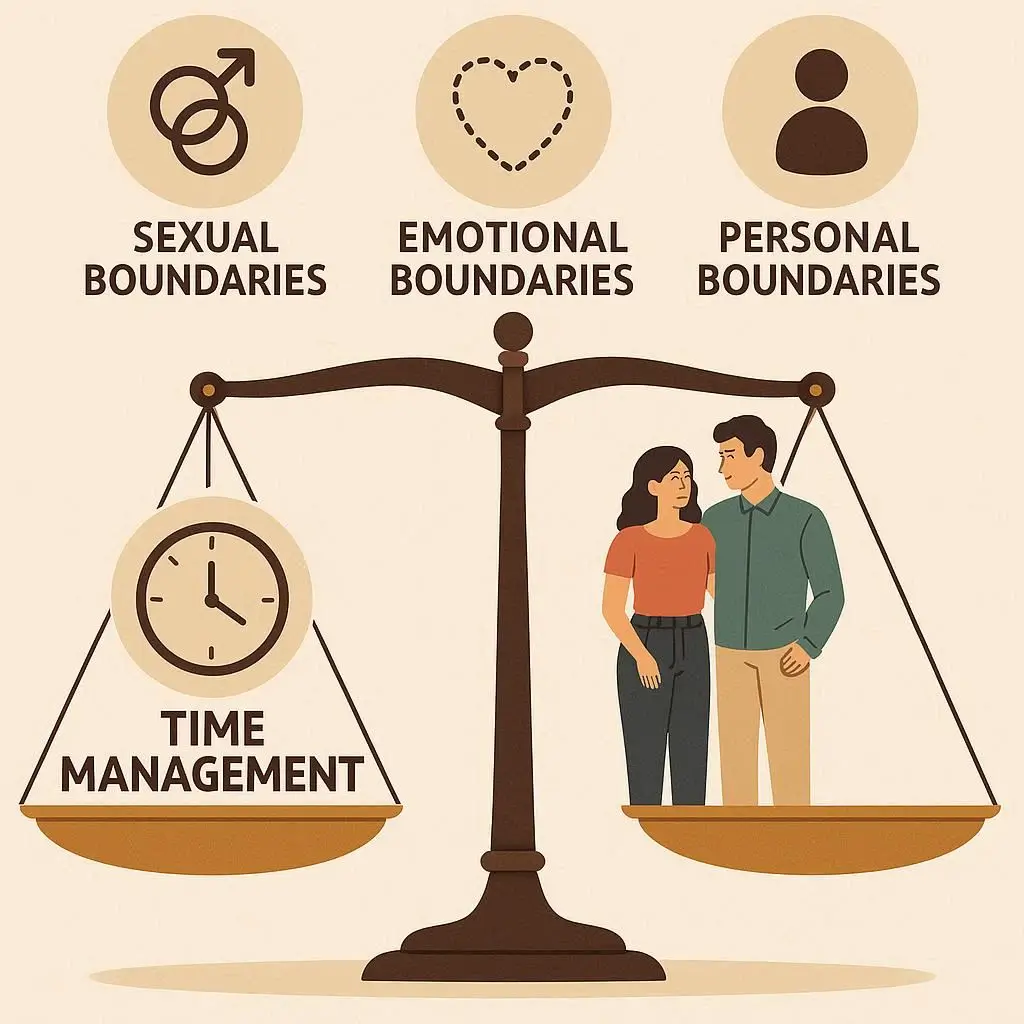
Sexual Boundaries
Sexual health should always come first. Couples need to agree on safe sex practices and regular testing. Decide if casual sex or hookups are allowed and under what conditions. Setting sexual boundaries reduces risk and keeps trust strong.
Emotional Boundaries
Emotional intimacy can be harder to manage than sex. Some couples allow outside sexual relationships but limit romantic relationships. Others welcome emotional bonds with secondary partners. Talk about what feels safe for both people. These emotional boundaries protect the primary partner from insecurity and resentment.
Personal Boundaries
Each person has limits based on self-awareness and comfort. For example, one may be fine with dating apps but not with overnight stays. Another may accept swinging but not long-term polyamory. Respecting personal boundaries is key to preventing conflict and betrayal.
Splitting Time Between Partners
Time is a resource. Couples must agree on how to balance it. Many use relationship check-ins to plan dates and avoid neglect. Some give priority to the primary partner while still making space for secondary partners. Fair time-sharing supports commitment and prevents emotional fallout.
Strategies for a Healthy Open Relationship
Sexual Boundaries
Sexual boundaries protect trust and health. Partners should agree on safe sex practices like condoms and testing. Some allow casual sex or hookups, while others limit it. Clear rules reduce secrecy and broken trust.
Emotional Boundaries
Emotional intimacy can create more risk than sex. Some couples allow only sexual relationships outside, not deep romantic ones. Others are open to secondary partners for both sex and love. Honest talks about feelings and limits keep resentment away.
Personal Boundaries
Every person has comfort zones. One partner may accept swinging but not long-term polyamory. Another may allow dating apps but not sleepovers. Respecting these limits avoids conflict and betrayal.
Splitting Time Between Partners
Time must be shared with care. Many couples agree the primary partner comes first. Secondary partners also need fair attention. Relationship check-ins help balance schedules. This prevents neglect and emotional fallout.
Helping Loved Ones Understand Open Relationships
Talking to family or friends about an open relationship can feel hard. Many people only know about monogamy, so they may judge or misunderstand. Some may think it means a lack of commitment or broken trust. Others may see it as secrecy or betrayal. Clear, calm explanations can reduce stigma.
Share that consensual non-monogamy is based on honesty and trust. Explain how rules and agreements protect the bond with a primary partner. Let loved ones know that emotional intimacy and commitment are still important. If rejection or pressure comes, support communities, forums, and podcasts on relationships can help.
Sexual Health in Open Relationships
Safe Sex Practices
Sexual health is a core part of an open relationship. Partners should agree on safe sex practices before starting. Regular testing and using protection like condoms are essential. Open communication about hookups or new sexual relationships reduces risk. A relationship check-in about sexual health helps both partners feel secure.
Common Safe Sex Mistakes to Avoid
Some people forget to test often. Others assume one partner’s safety means both are safe. Not talking about past partners can also cause problems. These mistakes increase risk of infections and broken trust.
Habits of Couples With Great Sex
Couples who focus on honesty and trust usually enjoy better sex. They talk openly about desires and boundaries. They use safe sex practices and respect each other’s limits. This creates both passion and emotional intimacy.
Your Sexual Health Questions, Answered
Do you need regular testing? Yes, it helps protect everyone involved. Should you talk about casual sex partners? Yes, transparency prevents secrecy. Can sexual health bring partners closer? Yes, because honesty builds trust.
Signs an Open Relationship Is Becoming a Problem
Red Flags to Watch Out For
Every open relationship has challenges. But some signs show deeper problems. If jealousy turns into constant fights, it is a red flag. If one partner hides hookups or lies about boundaries, trust breaks down. When only one person is happy and the other feels hurt, the balance is lost. These issues can grow if ignored.
When to Seek Therapy or Counseling
If problems feel too heavy, couples therapy can help. A counselor offers tools for better communication. Therapy also helps partners handle jealousy and fear. Seeking help early can prevent bigger damage. Talking with a professional shows care for both the relationship and each other.

Frequently Asked Questions About Open Relationships
What is an open relationship?
An open relationship is when two partners agree that they can also date or be intimate with other people while staying together.
Why would a woman want an open relationship?
Some women want an open relationship for freedom, new experiences, or to explore their needs while keeping their main bond.
What are the rules for open relationships?
Rules depend on the couple. Common ones include honesty, safe sex, and clear limits on time with others.
What are the 4 types of relationships?
The four main types are monogamous, open, casual, and long-distance relationships.
What is nanoship?
Nanoship is a very short and casual relationship that ends quickly, often lasting only days or weeks.
What is benching in a relationship?
Benching is when someone keeps another person interested but avoids real commitment, like keeping them “on the bench.”
Conclusion
An open relationship is not a one-size-fits-all choice. It can offer freedom, growth, and new experiences, but it also comes with challenges like jealousy, miscommunication, and social pressure. The success of an open relationship depends on honesty, respect, and clear boundaries. Couples who communicate openly, set rules, and support each other’s needs often find it rewarding.
At the same time, it’s important to watch for red flags and seek help if problems arise. Every couple must decide for themselves if this path is right. With patience, trust, and care, an open relationship can become a healthy way to build deeper understanding and connection while respecting each partner’s individuality.
·